A Bite of China S01E04 · The Taste Of Time
Watch now
Overview
This episode explores both modern and traditional ways to preserve food - from salting and drying to stewing and smoking. Learn to make kimchi with the Korean ethnic minority of north east China. In Hong Kong sweet cured meats are popular. In mountainous Hunan, discover the famous Souse fish of the Miao ethnic minority. Learn about the Hui style smelly fermented perch. Other foods include Jinhua ham, dried seaweed, dried mullet and shrimp paste.
Torrents
Searching torrents…
Subtitles
…
Episodes
-
 1
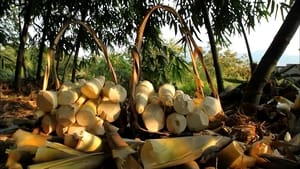
1. Gifts from Nature2012-05-14 · 49mThis episode explores the rich bounty of food that is nature's gift to the Chinese people. Elf ear mushrooms gathered near Shangri-La on the Tibetan plateau, bamboo shoots from Zhe
1
1. Gifts from Nature2012-05-14 · 49mThis episode explores the rich bounty of food that is nature's gift to the Chinese people. Elf ear mushrooms gathered near Shangri-La on the Tibetan plateau, bamboo shoots from Zhe
-
 2
2. The Story Of Staple Foods2012-05-15 · 49mThis episode explores the staple foods that comprise the base of the Chinese diet. Examples are shown of the five traditional grains of China: rice, wheat, broomcorn millet, millet
2
2. The Story Of Staple Foods2012-05-15 · 49mThis episode explores the staple foods that comprise the base of the Chinese diet. Examples are shown of the five traditional grains of China: rice, wheat, broomcorn millet, millet
-
 3
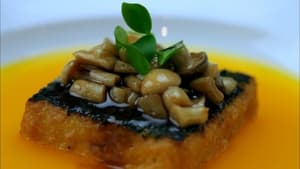
3. Inspiration for Change2012-05-16 · 49mThis episode looks at several traditional methods of processing food to produce distinctly Chinese delicacies, in particular fermentation. Explore many different varieties of tofu
3
3. Inspiration for Change2012-05-16 · 49mThis episode looks at several traditional methods of processing food to produce distinctly Chinese delicacies, in particular fermentation. Explore many different varieties of tofu
-
 4
4. The Taste Of Time2012-05-17 · 49mThis episode explores both modern and traditional ways to preserve food - from salting and drying to stewing and smoking. Learn to make kimchi with the Korean ethnic minority of no
4
4. The Taste Of Time2012-05-17 · 49mThis episode explores both modern and traditional ways to preserve food - from salting and drying to stewing and smoking. Learn to make kimchi with the Korean ethnic minority of no
-
 5
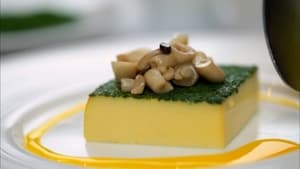
5. Secrets of the Kitchen2012-05-18 · 49mThis episode looks at the various cooking traditions peculiar to the Chinese. In the Tibetan village of Nixi, handmade black pottery pots are the favoured form of cooking. In the G
5
5. Secrets of the Kitchen2012-05-18 · 49mThis episode looks at the various cooking traditions peculiar to the Chinese. In the Tibetan village of Nixi, handmade black pottery pots are the favoured form of cooking. In the G
-
 6
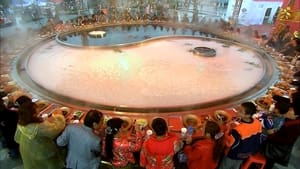
6. A Perfect Blend of Five Flavors2012-05-19 · 49mThis episode examines the flavours that dominate Chinese cuisine. Sweet, salty, spicy, sour and bitter.
In Guangdong we see the traditional production of sea salt. In Shanxi we s
6
6. A Perfect Blend of Five Flavors2012-05-19 · 49mThis episode examines the flavours that dominate Chinese cuisine. Sweet, salty, spicy, sour and bitter.
In Guangdong we see the traditional production of sea salt. In Shanxi we s
-
 7
7. Our Farm2012-05-20 · 49mThe final episode explores the relationship between people and the production of food, specifically how people have adapted to living in geographically diverse regions of China.
7
7. Our Farm2012-05-20 · 49mThe final episode explores the relationship between people and the production of food, specifically how people have adapted to living in geographically diverse regions of China.