Bill Nye the Science Guy S03E02 · Pressure
Watch now
Overview
When you push something, you’re using pressure. Pressure depends on two things – the power of the push and the area that’s being pushed on. A push on a small area makes more pressure than the same size push on a big area. Pushing hard on something creates more pressure than a little nudge, naturally.
Torrents
Searching torrents…
Subtitles
…
Episodes
-
 1
1. Planets & Moons1995-01-14 · 26mEach planet is different. They are all different sizes – Pluto’s the smallest, and Jupiter’s the biggest. They come in a variety of colors – Mars is covered with rust, so it looks
1
1. Planets & Moons1995-01-14 · 26mEach planet is different. They are all different sizes – Pluto’s the smallest, and Jupiter’s the biggest. They come in a variety of colors – Mars is covered with rust, so it looks
-
 2
2. Pressure1995-01-21 · 26mWhen you push something, you’re using pressure. Pressure depends on two things – the power of the push and the area that’s being pushed on. A push on a small area makes more pressu
2
2. Pressure1995-01-21 · 26mWhen you push something, you’re using pressure. Pressure depends on two things – the power of the push and the area that’s being pushed on. A push on a small area makes more pressu
-
 3
3. Plants1995-01-28 · 26mA plant’s recipe for food has only three main ingredients: sunlight, carbon dioxide, and water. When plants make their food, they give off what animals need – oxygen. Without oxyge
3
3. Plants1995-01-28 · 26mA plant’s recipe for food has only three main ingredients: sunlight, carbon dioxide, and water. When plants make their food, they give off what animals need – oxygen. Without oxyge
-
 4
4. Rocks & Soil1995-02-03 · 26mWe live on top of rocks – the Earth’s surface. There are three basic types of rocks — igneous, sedimentary, and metamorphic — and each type is made a different way. Igneous rocks a
4
4. Rocks & Soil1995-02-03 · 26mWe live on top of rocks – the Earth’s surface. There are three basic types of rocks — igneous, sedimentary, and metamorphic — and each type is made a different way. Igneous rocks a
-
 5
5. Energy1995-02-10 · 26mEnergy can change forms. Your body changes the energy in food into energy you can use to do things. Dams turn the energy in falling water into electrical energy to bring power to y
5
5. Energy1995-02-10 · 26mEnergy can change forms. Your body changes the energy in food into energy you can use to do things. Dams turn the energy in falling water into electrical energy to bring power to y
-
 6
6. Evolution1995-02-17 · 26mAll living things have genes, which are like little sets of blueprints. Genes have information about the color of your eyes, the shape of your nose, and whether you hair is straigh
6
6. Evolution1995-02-17 · 26mAll living things have genes, which are like little sets of blueprints. Genes have information about the color of your eyes, the shape of your nose, and whether you hair is straigh
-
 7
7. Water Cycle1995-03-24 · 26mAbout 70% of the Earth’s surface is covered in water, and almost all of that water has been around since the Earth formed billions and billions of years ago. That means a glass of
7
7. Water Cycle1995-03-24 · 26mAbout 70% of the Earth’s surface is covered in water, and almost all of that water has been around since the Earth formed billions and billions of years ago. That means a glass of
-
 8
8. Friction1995-03-31 · 26mFriction is a force that slows moving things down and turns the moving energy into heat energy. When two things rub together, like your bike tires and the road, friction between th
8
8. Friction1995-03-31 · 26mFriction is a force that slows moving things down and turns the moving energy into heat energy. When two things rub together, like your bike tires and the road, friction between th
-
 9
9. Germs1995-04-07 · 26mDon’t panic, but germs are all around you. Germs are bacteria, viruses, protozoa, and fungi, very small one-celled organisms. Your skin keeps most of these organisms from ever gett
9
9. Germs1995-04-07 · 26mDon’t panic, but germs are all around you. Germs are bacteria, viruses, protozoa, and fungi, very small one-celled organisms. Your skin keeps most of these organisms from ever gett
-
 10
10. Climates1995-04-14 · 26mThere are lots of different climates all over the world. Deserts are warm and dry. Temperate forests are cold and wet. Tropical rain forests are warm and wet. Animals and plants li
10
10. Climates1995-04-14 · 26mThere are lots of different climates all over the world. Deserts are warm and dry. Temperate forests are cold and wet. Tropical rain forests are warm and wet. Animals and plants li
-
 11
11. Waves1995-04-21 · 26mEnergy, things like light, heat, and sound, moves in waves. You’ve probably seen waves in the ocean, or ripples when you throw a rock in a pond. Moving energy is not like the wave
11
11. Waves1995-04-21 · 26mEnergy, things like light, heat, and sound, moves in waves. You’ve probably seen waves in the ocean, or ripples when you throw a rock in a pond. Moving energy is not like the wave
-
 12
12. Ocean Life1995-04-28 · 26mThere’s an amazing amount of living things in the ocean. There are fish, sharks, flowers, whales, squid, sea plants, sea anemones, sea otters, and all sorts of other things living
12
12. Ocean Life1995-04-28 · 26mThere’s an amazing amount of living things in the ocean. There are fish, sharks, flowers, whales, squid, sea plants, sea anemones, sea otters, and all sorts of other things living
-
 13
13. Mammals1995-09-08 · 26mMammals - They're (sometimes) big, they're hairy, and they're warm-blooded. From human being to moose and from cats to rats, Bill Nye explains what it takes to be in the mammal fam
13
13. Mammals1995-09-08 · 26mMammals - They're (sometimes) big, they're hairy, and they're warm-blooded. From human being to moose and from cats to rats, Bill Nye explains what it takes to be in the mammal fam
-
 14
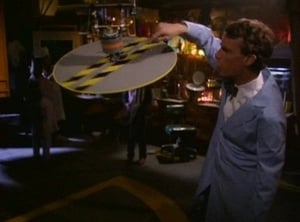
14. Spinning Things1995-09-15 · 26mA lot of things spin – bike wheels, footballs, hard disks in your computer, and even the Earth – they’re all twirling around. Spinning things have inertia, which means they keep sp
14
14. Spinning Things1995-09-15 · 26mA lot of things spin – bike wheels, footballs, hard disks in your computer, and even the Earth – they’re all twirling around. Spinning things have inertia, which means they keep sp
-
 15
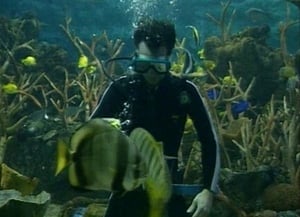
15. Fish1995-09-22 · 26mMore than 22,000 different species of fish live in the oceans, lakes, and rivers of the world. Fish come in all shapes and sizes. Some eat water plants, some eat other fish. Lampre
15
15. Fish1995-09-22 · 26mMore than 22,000 different species of fish live in the oceans, lakes, and rivers of the world. Fish come in all shapes and sizes. Some eat water plants, some eat other fish. Lampre
-
 16
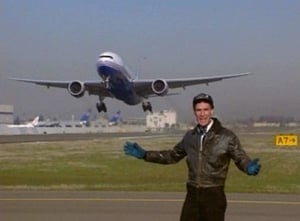
16. Human Transportation1995-09-29 · 26mTransportation is all about moving people and their things. You can transport yourself around using your feet, a bike, a car, a train – anything that gets you going from one place
16
16. Human Transportation1995-09-29 · 26mTransportation is all about moving people and their things. You can transport yourself around using your feet, a bike, a car, a train – anything that gets you going from one place
-
 17
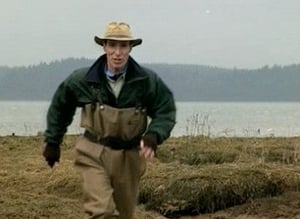
17. Wetlands1995-10-06 · 26mWetlands are not just home to different animals and plants, but they also control flooding and help keep the Earth’s water clean. Flood waters move more slowly through wetlands bec
17
17. Wetlands1995-10-06 · 26mWetlands are not just home to different animals and plants, but they also control flooding and help keep the Earth’s water clean. Flood waters move more slowly through wetlands bec
-
 18
18. Birds1995-10-13 · 26mScientists believe that birds evolved from reptiles. Birds have backbones, and they lay eggs, but they’ve developed a unique feature that sets them apart from all other animals – f
18
18. Birds1995-10-13 · 26mScientists believe that birds evolved from reptiles. Birds have backbones, and they lay eggs, but they’ve developed a unique feature that sets them apart from all other animals – f
-
 19
19. Populations1995-10-20 · 26mPopulations need a couple of basic things to survive – food and a place to live. When two or more populations of living things are crowded into a small area, there is competition f
19
19. Populations1995-10-20 · 26mPopulations need a couple of basic things to survive – food and a place to live. When two or more populations of living things are crowded into a small area, there is competition f
-
 20
20. Animal Locomotion1995-10-27 · 26mSome animals have wings that let them fly and hover. Other animals have legs, from two to more than 200, to get them walking, galloping, or running. Some animals’ legs are really p
20
20. Animal Locomotion1995-10-27 · 26mSome animals have wings that let them fly and hover. Other animals have legs, from two to more than 200, to get them walking, galloping, or running. Some animals’ legs are really p