Bill Nye the Science Guy S04E02 · Nutrition
Watch now
Overview
All food, whether it’s protein, fat, carbohydrates, vitamins, or minerals, is made of chemicals. When your body gets a hold of these chemicals, it recombines them and makes energy. Different types of food make different amounts of energy, which are measured in calories. How do scientists figure out the amount of calories in food? In this episode, Bill will reveal the secrets of the bomb calorimeter – an instrument of food science.
Torrents
Searching torrents…
Subtitles
…
Episodes
-
 1
1. Rivers & Streams1995-11-03 · 26mWater is massive; rivers are powerful. As rivers flow downhill, they wear away rock and soil to form canyons or winding curves in the land, called meanders. Sometimes rivers fill a
1
1. Rivers & Streams1995-11-03 · 26mWater is massive; rivers are powerful. As rivers flow downhill, they wear away rock and soil to form canyons or winding curves in the land, called meanders. Sometimes rivers fill a
-
 2
2. Nutrition1995-11-10 · 26mAll food, whether it’s protein, fat, carbohydrates, vitamins, or minerals, is made of chemicals. When your body gets a hold of these chemicals, it recombines them and makes energy.
2
2. Nutrition1995-11-10 · 26mAll food, whether it’s protein, fat, carbohydrates, vitamins, or minerals, is made of chemicals. When your body gets a hold of these chemicals, it recombines them and makes energy.
-
 3
3. Marine Mammals1995-11-17 · 26mWhales, dolphins, otters, walruses, and orcas are just like us, they’re mammals. Well, they’re not just like us. They live in the ocean. They breathe air, have hair, nurse their ba
3
3. Marine Mammals1995-11-17 · 26mWhales, dolphins, otters, walruses, and orcas are just like us, they’re mammals. Well, they’re not just like us. They live in the ocean. They breathe air, have hair, nurse their ba
-
 4
4. Earthquakes1995-11-24 · 26mEarthquakes happen when pieces of land in the Earth’s crust scrape together. The crust of the Earth is made of big slabs of land called plates that are constantly moving just a lit
4
4. Earthquakes1995-11-24 · 26mEarthquakes happen when pieces of land in the Earth’s crust scrape together. The crust of the Earth is made of big slabs of land called plates that are constantly moving just a lit
-
 5
5. NTV Top 11 Video Countdown1995-12-01 · 26mJoin Bill Nye as he counts down the hits from the Soundtracks of Science. Along with the music, Bill does a few new experiments on the lab bench. You’ll see the grunge band Nyevana
5
5. NTV Top 11 Video Countdown1995-12-01 · 26mJoin Bill Nye as he counts down the hits from the Soundtracks of Science. Along with the music, Bill does a few new experiments on the lab bench. You’ll see the grunge band Nyevana
-
 6
6. Spiders1996-01-05 · 26mBe sure to get this straight: spiders are not insects, they’re arachnids. Spiders have eight legs, and insects have only six. Spiders have two body parts, a head and an abdomen, wh
6
6. Spiders1996-01-05 · 26mBe sure to get this straight: spiders are not insects, they’re arachnids. Spiders have eight legs, and insects have only six. Spiders have two body parts, a head and an abdomen, wh
-
 7
7. Pollution Solutions1996-01-12 · 26mDirty water, land, and air are a result of pollution. People are the only animals on Earth that make pollution. Garbage, burning fuel, chemicals, sewage, oil, and pesticides are al
7
7. Pollution Solutions1996-01-12 · 26mDirty water, land, and air are a result of pollution. People are the only animals on Earth that make pollution. Garbage, burning fuel, chemicals, sewage, oil, and pesticides are al
-
 8
8. Probability1996-01-19 · 26mProbability is a way to measure how likely it is that something will happen. Probabilities are predictions. They’re often just very careful guesses. When a scientist wants to calcu
8
8. Probability1996-01-19 · 26mProbability is a way to measure how likely it is that something will happen. Probabilities are predictions. They’re often just very careful guesses. When a scientist wants to calcu
-
 9
9. Pseudoscience1996-01-26 · 26mPeople once thought that world was flat or nearly flat. It was considered a bit crazy to think of it as a big ball. But it is. You can prove it. One of the big ideas in science is
9
9. Pseudoscience1996-01-26 · 26mPeople once thought that world was flat or nearly flat. It was considered a bit crazy to think of it as a big ball. But it is. You can prove it. One of the big ideas in science is
-
 10
10. Flowers1996-01-27 · 26mFlowers are an important part of many plants. Plants use flowers to make other plants – to reproduce. Flowers have special parts, called stamens and pistils. When pollen from the s
10
10. Flowers1996-01-27 · 26mFlowers are an important part of many plants. Plants use flowers to make other plants – to reproduce. Flowers have special parts, called stamens and pistils. When pollen from the s
-
 11
11. Archaeology1996-01-28 · 26mArchaeologists are kind of like detectives. They’re scientists who snoop through old or ancient people’s things to find out what life was like thousands of years ago. Archaeologist
11
11. Archaeology1996-01-28 · 26mArchaeologists are kind of like detectives. They’re scientists who snoop through old or ancient people’s things to find out what life was like thousands of years ago. Archaeologist
-
 12
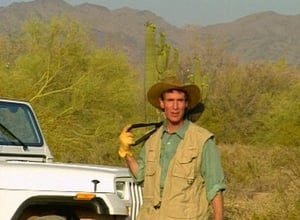
12. Deserts1996-01-29 · 26mAbout 20% of the Earth is a desert. Deserts are places that get very little precipitation (rain or snow) each year, and that makes them extremely dry. Deserts cover big areas of la
12
12. Deserts1996-01-29 · 26mAbout 20% of the Earth is a desert. Deserts are places that get very little precipitation (rain or snow) each year, and that makes them extremely dry. Deserts cover big areas of la
-
 13
13. Amphibians1996-01-30 · 26mFrogs, toads, salamanders, newts, and caecilians (worm-like animals that have backbones) are all amphibians, animals that spend part of their lives in water and part on land. Amphi
13
13. Amphibians1996-01-30 · 26mFrogs, toads, salamanders, newts, and caecilians (worm-like animals that have backbones) are all amphibians, animals that spend part of their lives in water and part on land. Amphi
-
 14
14. Volcanoes1996-01-31 · 26mVolcanoes are mountains made from molten rock. The Earth’s crust is divided into big slabs, called plates, which are slowly moving all the time. The plates are floating on the Eart
14
14. Volcanoes1996-01-31 · 26mVolcanoes are mountains made from molten rock. The Earth’s crust is divided into big slabs, called plates, which are slowly moving all the time. The plates are floating on the Eart
-
 15
15. Invertebrates1996-02-07 · 26mWorms, squid, clams, and flies are spineless creatures. They’re not afraid, they’re invertebrates – animals that don’t have backbones. Invertebrates are everywhere. You can find in
15
15. Invertebrates1996-02-07 · 26mWorms, squid, clams, and flies are spineless creatures. They’re not afraid, they’re invertebrates – animals that don’t have backbones. Invertebrates are everywhere. You can find in
-
 16
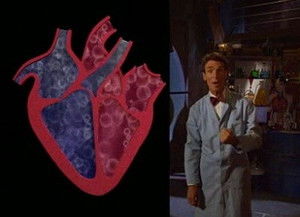
16. Heart1996-02-14 · 26mYour heart pumps your blood around your body, all hours, every day of the week, to keep you alive. Your heart is about the size of your fist, and it’s made of special muscle called
16
16. Heart1996-02-14 · 26mYour heart pumps your blood around your body, all hours, every day of the week, to keep you alive. Your heart is about the size of your fist, and it’s made of special muscle called
-
 17
17. Inventions1996-02-21 · 26mAlmost everything around you, from paper clips to computers, was thought of, designed, and built by humans. An invention can be a totally new idea, or an improved variation on some
17
17. Inventions1996-02-21 · 26mAlmost everything around you, from paper clips to computers, was thought of, designed, and built by humans. An invention can be a totally new idea, or an improved variation on some
-
 18
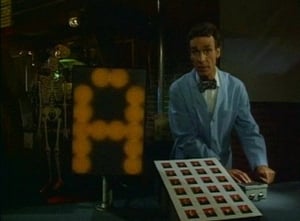
18. Computers1996-04-25 · 26mWith special guest, Mick H. Computers are used throughout the world all the time. Computers are in cars, calculators, televisions – you’re even using one right now. Humans use comp
18
18. Computers1996-04-25 · 26mWith special guest, Mick H. Computers are used throughout the world all the time. Computers are in cars, calculators, televisions – you’re even using one right now. Humans use comp
-
 19
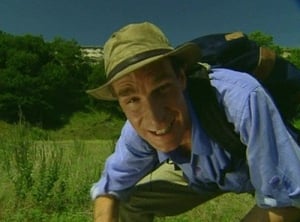
19. Fossils1997-09-05 · 26mMost dead animals and plants break up, get decomposed, and become part of the soil, but some turn into fossils. A fossil forms when a plant or animal dies, and gets buried. If cond
19
19. Fossils1997-09-05 · 26mMost dead animals and plants break up, get decomposed, and become part of the soil, but some turn into fossils. A fossil forms when a plant or animal dies, and gets buried. If cond
-
 20
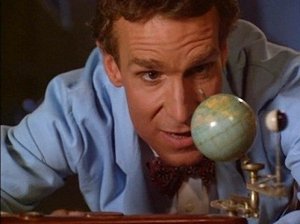
20. Time1997-09-12 · 26mTime affects every living thing on Earth. Trees shed their leaves. Some animals only come out at night. There are even insects that only emerge every 17 years. Days, hours, minutes
20
20. Time1997-09-12 · 26mTime affects every living thing on Earth. Trees shed their leaves. Some animals only come out at night. There are even insects that only emerge every 17 years. Days, hours, minutes