Core Kyoto S01E12 · Water Traditions: The Old Capital's Rich Natural Blessings
Watch now
Overview
Kyoto has many mountain springs, rivers and groundwater. The capital relocated here about 1,200 years ago for the water supply that enriched the citizens' lives and gave rise to Kyoto's culture. Farmers grow vegetables in the fertile delta. Craftspeople continue the kurozome dying traditions. A namafu wheat-gluten store relies on quality groundwater. Supporting them are well sinkers with an extensive knowledge of groundwater arteries. Ever grateful, the locals use water as their livelihood.
Torrents
Searching torrents…
Subtitles
…
Episodes
SpecialsSeason 1Season 2Season 3Season 4Season 5Season 6Season 7Season 8Season 9Season 10Season 11Season 12Season 13Season 14
-
 1
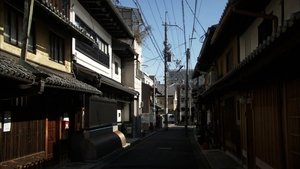
1. Kyo-machiya: Connecting People's Hearts2013-02-28 · 28mKyotoites have lived in kyo-machiya townhouses for centuries. Each year, 1,000 are demolished, but Kyo-machiya Sakujigumi, a group of craftsmen skilled in machiya restoration, use
1
1. Kyo-machiya: Connecting People's Hearts2013-02-28 · 28mKyotoites have lived in kyo-machiya townhouses for centuries. Each year, 1,000 are demolished, but Kyo-machiya Sakujigumi, a group of craftsmen skilled in machiya restoration, use
-
 2
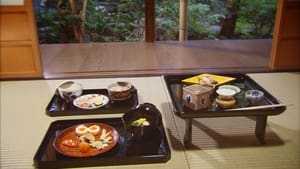
2. Kaiseki-ryori : The Ultimate in Culinary Hospitality2013-04-04 · 28mStimulating all five senses, kaiseki-ryori is a Kyoto culinary work of art. Eiichi Takahashi, 14th generation owner of Hyotei, stresses kaiseki's roots in cha-kaiseki meals served
2
2. Kaiseki-ryori : The Ultimate in Culinary Hospitality2013-04-04 · 28mStimulating all five senses, kaiseki-ryori is a Kyoto culinary work of art. Eiichi Takahashi, 14th generation owner of Hyotei, stresses kaiseki's roots in cha-kaiseki meals served
- 3 3. Buddhist Statues: Figures of Belief and Beauty2013-04-18 · 28mKyoto has about 2,700 temples where an array of benevolent, meek, and ferocious Buddhist statues are worshipped. World Heritage temple Toji has a configuration of statues in an imp
-
 4
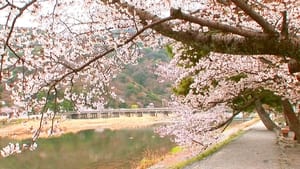
4. Hanami: Kyoto's Cherry Viewing Festivities in the Spring2013-05-16 · 28mVarious locations in Kyoto have been famous cherry-blossom-viewing spots for 1,200 years. As spring approaches, the locals' actions revolve around thoughts of hanami. The cherries
4
4. Hanami: Kyoto's Cherry Viewing Festivities in the Spring2013-05-16 · 28mVarious locations in Kyoto have been famous cherry-blossom-viewing spots for 1,200 years. As spring approaches, the locals' actions revolve around thoughts of hanami. The cherries
-
 5
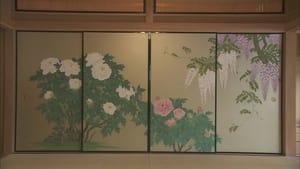
5. Japanese-style Paintings: The Breathing World of Beauty2013-06-06 · 28mJapanese-style paintings are the embodiment of Kyoto aesthetics. Their delicate scenes are created using unique mineral pigments. Flower artist Rieko Morita emphasizes life in her
5
5. Japanese-style Paintings: The Breathing World of Beauty2013-06-06 · 28mJapanese-style paintings are the embodiment of Kyoto aesthetics. Their delicate scenes are created using unique mineral pigments. Flower artist Rieko Morita emphasizes life in her
- 6 6. Kyoto Lodgings: Hearty Consideration That Soothes Travelers2013-06-13 · 28mThe quality of hospitality found at accommodations in Japan's old capital, Kyoto, is known worldwide. They exude a time-honored culture and uniqueness. The entrances are cleansed w
-
 7
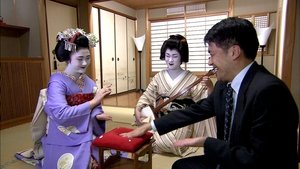
7. Kagai: Kyoto's Flower District Where Elegant Dreams Bloom2013-06-20 · 28mThe main stage for hospitality in the glittering kagai entertainment district is the ozashiki function. Geiko and maiko refine their skills over years in dance and other performing
7
7. Kagai: Kyoto's Flower District Where Elegant Dreams Bloom2013-06-20 · 28mThe main stage for hospitality in the glittering kagai entertainment district is the ozashiki function. Geiko and maiko refine their skills over years in dance and other performing
-
 8
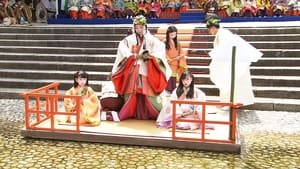
8. Aoi Matsuri: A Dynastic Festival in the Presence of the Deities2013-07-04 · 28mThe origin of Aoi Matsuri, one of Kyoto's 3 great festivals, goes back more than 1,500 years. Diviners advised the people to ride horses in prayer for bumper crops and to appease t
8
8. Aoi Matsuri: A Dynastic Festival in the Presence of the Deities2013-07-04 · 28mThe origin of Aoi Matsuri, one of Kyoto's 3 great festivals, goes back more than 1,500 years. Diviners advised the people to ride horses in prayer for bumper crops and to appease t
-
 9
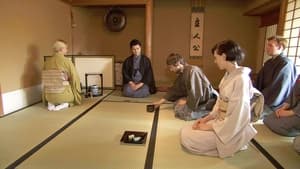
9. Chanoyu: A Bowl of Tea Draws Hearts Together2013-07-18 · 28mSen-no-Rikyu (1522-1591) began the chanoyu, or tea ceremony, that is practiced today, 400 years ago. His simple, rustic wabi philosophy is still discernable in the designs, movemen
9
9. Chanoyu: A Bowl of Tea Draws Hearts Together2013-07-18 · 28mSen-no-Rikyu (1522-1591) began the chanoyu, or tea ceremony, that is practiced today, 400 years ago. His simple, rustic wabi philosophy is still discernable in the designs, movemen
-
 10
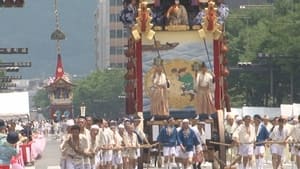
10. Gion Matsuri: The Spirit of the Townspeople During Summer's Grand Festival2013-08-15 · 28mGion Matsuri began as a prayer for the country's health when 66 halberds were erected and 3 mikoshi shrines were paraded through plague-ravaged Heian-kyo in 869. The 33 yamahoko fl
10
10. Gion Matsuri: The Spirit of the Townspeople During Summer's Grand Festival2013-08-15 · 28mGion Matsuri began as a prayer for the country's health when 66 halberds were erected and 3 mikoshi shrines were paraded through plague-ravaged Heian-kyo in 869. The 33 yamahoko fl
-
 11
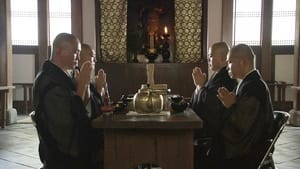
11. Shojin-ryori: Zen Cuisine as Training Within the Teachings2013-09-05 · 28mIn the 1200's, the monk Dogen brought shojin-ryori, a vegetarian cuisine, from China along with Zen Buddhism, which forbids the killing of animals and the eating of meat. He once s
11
11. Shojin-ryori: Zen Cuisine as Training Within the Teachings2013-09-05 · 28mIn the 1200's, the monk Dogen brought shojin-ryori, a vegetarian cuisine, from China along with Zen Buddhism, which forbids the killing of animals and the eating of meat. He once s
- 12 12. Water Traditions: The Old Capital's Rich Natural Blessings2013-09-19 · 28mKyoto has many mountain springs, rivers and groundwater. The capital relocated here about 1,200 years ago for the water supply that enriched the citizens' lives and gave rise to Ky
-
 13
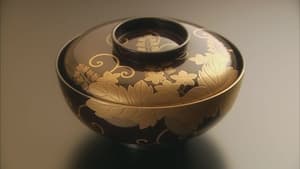
13. Kyo-shikki: The Jet-black, Golden Beauty of Kyoto Lacquerware2013-10-03 · 28mAs demand for lacquerware grew in the political and cultural hub of Kyoto, artisans refined their designs and techniques with a distinctive approach to aesthetic beauty. This becam
13
13. Kyo-shikki: The Jet-black, Golden Beauty of Kyoto Lacquerware2013-10-03 · 28mAs demand for lacquerware grew in the political and cultural hub of Kyoto, artisans refined their designs and techniques with a distinctive approach to aesthetic beauty. This becam
-
 14
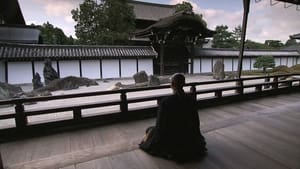
14. Karesansui: The Zen Cosmos in a Garden for Spiritual Training2013-10-17 · 28mA pointed boulder with a large stone at its foot reaches for the heavens. The white gravel between them represents a swift flowing river, without the use of water. Karesansui is a
14
14. Karesansui: The Zen Cosmos in a Garden for Spiritual Training2013-10-17 · 28mA pointed boulder with a large stone at its foot reaches for the heavens. The white gravel between them represents a swift flowing river, without the use of water. Karesansui is a
-
 15
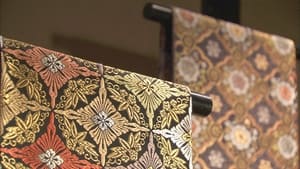
15. Nishijin-ori: Beauty Crystallized in a Kyoto Brocade2013-11-07 · 28mNishijin-ori symbolizes the ancient capital's elegance and luxury. The obi-weaving process is divided into detailed tasks, such as mon-template design and yarn dying. Each artisan
15
15. Nishijin-ori: Beauty Crystallized in a Kyoto Brocade2013-11-07 · 28mNishijin-ori symbolizes the ancient capital's elegance and luxury. The obi-weaving process is divided into detailed tasks, such as mon-template design and yarn dying. Each artisan
-
 16
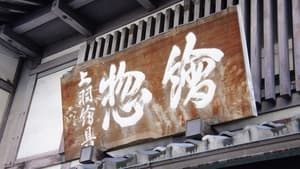
16. Shinise: Established Businesses Survive the Centuries2013-12-05 · 28mThe ancient capital has many shinise, or established businesses, with unbroken histories. Kyoto Prefecture classes a firm founded at least a century ago as shinise. Over generation
16
16. Shinise: Established Businesses Survive the Centuries2013-12-05 · 28mThe ancient capital has many shinise, or established businesses, with unbroken histories. Kyoto Prefecture classes a firm founded at least a century ago as shinise. Over generation
-
 17
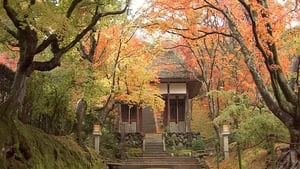
17. The Changing Leaves: The Transient Fall Beauty of the Ancient Capital2013-12-19 · 28mThe changing leaves vividly color Kyoto, which lies in a basin and has marked temperature differences. For more than a millennium, people have delighted in their beauty and picnick
17
17. The Changing Leaves: The Transient Fall Beauty of the Ancient Capital2013-12-19 · 28mThe changing leaves vividly color Kyoto, which lies in a basin and has marked temperature differences. For more than a millennium, people have delighted in their beauty and picnick