Core Kyoto S02E11 · Buddhist Architecture: Craftsmanship Unites Places of Worship
Watch now
Overview
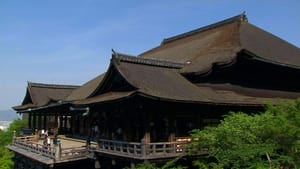
Kyoto is home to most Buddhist head temples, which shaped the ancient capital's historical landscape and fascinate visitors. Shichido-garan, the 7 most important buildings for Zen religious training, are positioned in the shape of a person. Maintaining temples for centuries, carpenters conduct major repairs at Chion-in and thatch Kiyomizu-dera's main-hall with cypress bark using traditional roofing methods. Look at the world of Buddhist architecture, sustained by craftsmanship and faith.
Torrents
Searching torrents…
Subtitles
…
Episodes
SpecialsSeason 1Season 2Season 3Season 4Season 5Season 6Season 7Season 8Season 9Season 10Season 11Season 12Season 13Season 14
-
 1
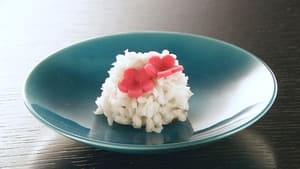
1. Kyoto Confections: Experiencing Kyoto Culture Through the Five Senses2014-01-16 · 28mKyoto confections are wagashi, or traditional confections, infused with Kyoto's charm and influenced by the tea ceremony. With beautiful designs and names that subtly reflect the s
1
1. Kyoto Confections: Experiencing Kyoto Culture Through the Five Senses2014-01-16 · 28mKyoto confections are wagashi, or traditional confections, infused with Kyoto's charm and influenced by the tea ceremony. With beautiful designs and names that subtly reflect the s
-
 2
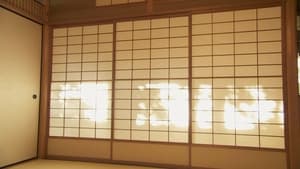
2. A Washi Capital: Paper of Diverse Beauty and Use for City Life2014-02-06 · 28mTraditional washi paper flourished in the temples, shrines and palaces of the ancient capital. Enduring today, this versatile paper is used to decorate interiors, such as sliding d
2
2. A Washi Capital: Paper of Diverse Beauty and Use for City Life2014-02-06 · 28mTraditional washi paper flourished in the temples, shrines and palaces of the ancient capital. Enduring today, this versatile paper is used to decorate interiors, such as sliding d
-
 3
3. Obanzai: The Frugal Wisdom of Kyoto's Home Cooking2014-02-20 · 28mObanzai are the frugal side dishes that grace dinner tables daily in Kyoto - the home of washoku, or Japanese cuisine. Cooked to make the staple dish of rice taste delicious, they
3
3. Obanzai: The Frugal Wisdom of Kyoto's Home Cooking2014-02-20 · 28mObanzai are the frugal side dishes that grace dinner tables daily in Kyoto - the home of washoku, or Japanese cuisine. Cooked to make the staple dish of rice taste delicious, they
-
 4
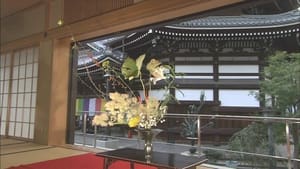
4. Ikebana: Revealing the Full Potential of Flowers2014-03-27 · 28mIkebana is the traditional art of flower arranging. Developed in Kyoto it merges Asian naturalism with the floral offerings to Buddhist altars. The Ikenobo headmaster upholds the s
4
4. Ikebana: Revealing the Full Potential of Flowers2014-03-27 · 28mIkebana is the traditional art of flower arranging. Developed in Kyoto it merges Asian naturalism with the floral offerings to Buddhist altars. The Ikenobo headmaster upholds the s
- 5 5. Calligraphy: Elegance Within a Black-and-white Universe2014-04-03 · 28mCalligraphy is the art of writing characters with a brush. The use of kanji characters, which entered from China, spread with the practice of copying sutras. In temples and shrines
- 6 6. Kin-butsudan: Faith Shines Brilliant in Craft That Embodies Nirvana2014-04-17 · 28mThe butsudan Buddhist family altar was built as a miniature of the temple dais upon which the main image stands, so families could worship at home. Reflecting the Pure Land in this
-
 7
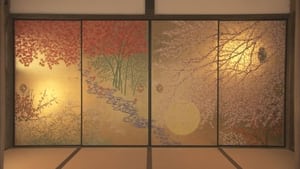
7. Rimpa: An Artistic Style Transcending Time2014-05-01 · 28mTawaraya Sotatsu, who emerged from Kyoto's merchant class, was one pioneer of the Rimpa School in the early Edo Period, and Ogata Korin consolidated it in the mid-Edo Period. The s
7
7. Rimpa: An Artistic Style Transcending Time2014-05-01 · 28mTawaraya Sotatsu, who emerged from Kyoto's merchant class, was one pioneer of the Rimpa School in the early Edo Period, and Ogata Korin consolidated it in the mid-Edo Period. The s
-
 8
8. Bamboo Culture: New Life in Spring Enriches the Ancient Capital2014-05-15 · 28mKyoto has long-been a leading bamboo-growing region. Bamboo was considered holy in ancient times for its strong vitality. It is used at shrines and palaces as the barrier between t
8
8. Bamboo Culture: New Life in Spring Enriches the Ancient Capital2014-05-15 · 28mKyoto has long-been a leading bamboo-growing region. Bamboo was considered holy in ancient times for its strong vitality. It is used at shrines and palaces as the barrier between t
- 9 9. Kyo-yuzen: Garments of Beauty Radiate Elegance2014-06-05 · 28mKyo-yuzen fabric has distinct patterns and splendid, delicate colors. Kyo-yuzen dyed kimono brighten special occasions in Kyoto. A lady takes extra care of her grandmother's kimono
-
 10
10. Kyoto Dolls: Adored by All, Their Grace Brings Peace2014-06-19 · 28mFilled with noble, graceful dignity, Kyoto dolls have long embodied people's prayers, relieved loneliness, and represented prayers for their children's growth. Connected to dynasti
10
10. Kyoto Dolls: Adored by All, Their Grace Brings Peace2014-06-19 · 28mFilled with noble, graceful dignity, Kyoto dolls have long embodied people's prayers, relieved loneliness, and represented prayers for their children's growth. Connected to dynasti
-
 11
11. Buddhist Architecture: Craftsmanship Unites Places of Worship2014-07-03 · 28mKyoto is home to most Buddhist head temples, which shaped the ancient capital's historical landscape and fascinate visitors. Shichido-garan, the 7 most important buildings for Zen
11
11. Buddhist Architecture: Craftsmanship Unites Places of Worship2014-07-03 · 28mKyoto is home to most Buddhist head temples, which shaped the ancient capital's historical landscape and fascinate visitors. Shichido-garan, the 7 most important buildings for Zen
- 12 12. Fitting for the Deities: Sacred Ornamentation Purifies and Elevates2014-07-17 · 28mShinto shrines have sacred shimenawa ropes, bells with cords attached, mirrors, various fittings, and ceremonial ornamentation that have adorned these places of worship since time
-
 13
13. Kyoto Vegetables: Nature's Blessings Provide Fine Food for the Ancient Capital2014-08-07 · 28mThe Kyoto basin is blessed with fertile soil and an abundant supply of good water. Kyoto winters are frigid; and summers, scorching. This environment yields eggplants, pumpkin, and
13
13. Kyoto Vegetables: Nature's Blessings Provide Fine Food for the Ancient Capital2014-08-07 · 28mThe Kyoto basin is blessed with fertile soil and an abundant supply of good water. Kyoto winters are frigid; and summers, scorching. This environment yields eggplants, pumpkin, and
-
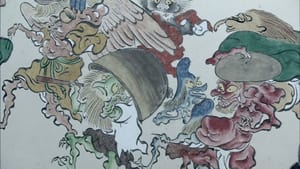 14
14. Legends of the Spirit World: The Mysterious Inspires Awe in the Townsfolk2014-09-04 · 28mOgres, specters, demons, ghosts and hell. The ancient capital's many myths of the spirit world seem fantastic today. Kyoto's citizens lived in fear and awe of the other world and a
14
14. Legends of the Spirit World: The Mysterious Inspires Awe in the Townsfolk2014-09-04 · 28mOgres, specters, demons, ghosts and hell. The ancient capital's many myths of the spirit world seem fantastic today. Kyoto's citizens lived in fear and awe of the other world and a
- 15 15. Gozan-no-okuribi: Ceremonial Bonfires Give Ancestors Safe Passage2014-09-18 · 28mThe Japanese believe their ancestors' spirits return from the other world to visit during Obon in mid-August. The Gozan-no-okuribi ceremony to send them off is held in Kyoto at the
-
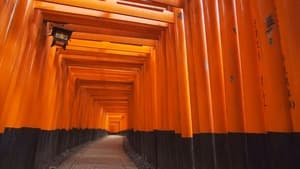 16
16. Fushimi Inari Taisha: A Manifestation of Prayers to the Deities on the Mountain2014-10-02 · 28mFushimi Inari Taisha is famous worldwide for the vermillion shrine gates that line the paths in the mountain behind it, where its origins lie. Worshippers seeking happiness have vi
16
16. Fushimi Inari Taisha: A Manifestation of Prayers to the Deities on the Mountain2014-10-02 · 28mFushimi Inari Taisha is famous worldwide for the vermillion shrine gates that line the paths in the mountain behind it, where its origins lie. Worshippers seeking happiness have vi
-
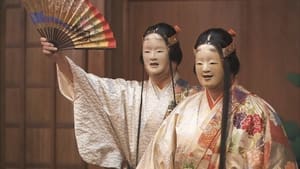 17
17. Noh: A Spiritual Performing Art Bridging Fantasy and Reality2014-10-16 · 28mNoh is one of the oldest, extant performing arts and is a UNESCO Intangible Cultural Heritage of Humanity. It has been performed in Kyoto some 650 years, and its form remains large
17
17. Noh: A Spiritual Performing Art Bridging Fantasy and Reality2014-10-16 · 28mNoh is one of the oldest, extant performing arts and is a UNESCO Intangible Cultural Heritage of Humanity. It has been performed in Kyoto some 650 years, and its form remains large
-
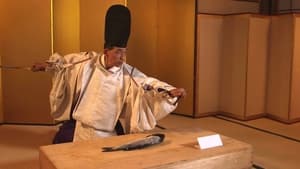 18
18. Dynastic Culture: The Graceful Form of the Heian Aristocracy2014-11-06 · 28mDynastic culture thrived some 1,200 years ago in Heian-kyo, heavily influenced by mainland Asian, especially Chinese, culture. Over time, it developed its own idiosyncrasies and pe
18
18. Dynastic Culture: The Graceful Form of the Heian Aristocracy2014-11-06 · 28mDynastic culture thrived some 1,200 years ago in Heian-kyo, heavily influenced by mainland Asian, especially Chinese, culture. Over time, it developed its own idiosyncrasies and pe
-
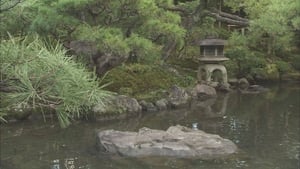 19
19. Kyoto Gardens: Aesthetic Spaces Mirror Nature2014-11-20 · 28mThe ancient capital, Kyoto, continues to be innovative after 1,200 years. We dive deep into its core in this definitive program. Today: Kyoto Gardens as aesthetic spaces mirroring
19
19. Kyoto Gardens: Aesthetic Spaces Mirror Nature2014-11-20 · 28mThe ancient capital, Kyoto, continues to be innovative after 1,200 years. We dive deep into its core in this definitive program. Today: Kyoto Gardens as aesthetic spaces mirroring
-
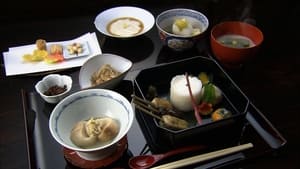 20
20. Shinise Food Culture: The Taste of Kyoto Links Past and Present2014-12-04 · 28mKyoto boasts upwards of 1,000 shinise businesses, each more than 100 years old, many of which are in the food industry. Kyoto cuisine is the foundation of washoku Japanese cuisine,
20
20. Shinise Food Culture: The Taste of Kyoto Links Past and Present2014-12-04 · 28mKyoto boasts upwards of 1,000 shinise businesses, each more than 100 years old, many of which are in the food industry. Kyoto cuisine is the foundation of washoku Japanese cuisine,