Core Kyoto S03E16 · Kyoto Woodcraft: Prominent Woodgrain and Refinement of Use
Watch now
Overview
Over its 1,000 year history as capital, Kyoto attracted craftsmen with outstanding artistry from around Japan. They made quality implements and furnishings, and the craft developed a distinct Kyoto refinement that became renowned. The craftsmen's knowledge of wood they work and their command of the delicate processes convey the traditions that survive to this today. Discover how various Kyoto woodcraft traditions evolved by watching the turners, joiners, coopers and other craftsmen at work.
Torrents
Searching torrents…
Subtitles
…
Episodes
SpecialsSeason 1Season 2Season 3Season 4Season 5Season 6Season 7Season 8Season 9Season 10Season 11Season 12Season 13Season 14
-
 1
1. The 10 Artisans of Senke: Tea Utensils Heighten Rustic Simplicity2015-01-08 · 28mAround 400 years ago, Sen-no-rikyu pursued the art of heart-to-heart communication through a bowl of tea and advanced the wabi-cha style of tea ceremony, stressing the beauty withi
1
1. The 10 Artisans of Senke: Tea Utensils Heighten Rustic Simplicity2015-01-08 · 28mAround 400 years ago, Sen-no-rikyu pursued the art of heart-to-heart communication through a bowl of tea and advanced the wabi-cha style of tea ceremony, stressing the beauty withi
-
 2
2. Kyoto Tsukemono: Pickles Enhance a Meal's Taste2015-01-22 · 28mKyoto tsukemono, or pickles, are made with various combinations of pickles and agents to preserve seasonal vegetables. Of these, three major varieties are still made using unique m
2
2. Kyoto Tsukemono: Pickles Enhance a Meal's Taste2015-01-22 · 28mKyoto tsukemono, or pickles, are made with various combinations of pickles and agents to preserve seasonal vegetables. Of these, three major varieties are still made using unique m
-
 3
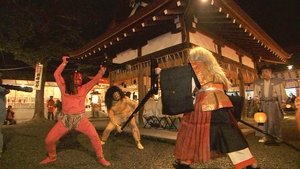
3. Setsubun: Out with the Demons and in with Fortune in the Spring2015-02-26 · 28mFebruary 3 is New Year's Eve by the old, lunar calendar and is the boundary between winter and spring. On this day, called Setsubun, households scatter soybeans for good fortune in
3
3. Setsubun: Out with the Demons and in with Fortune in the Spring2015-02-26 · 28mFebruary 3 is New Year's Eve by the old, lunar calendar and is the boundary between winter and spring. On this day, called Setsubun, households scatter soybeans for good fortune in
- 4 4. Kyoto Sake: A Mellow Taste That Enriches Kyoto Life2015-03-19 · 28mIn the ancient capital, sake was for religious and imperial rites. Made exclusively at the imperial brewery, the process evolved under the influence of palace cuisine. Kyoto with i
-
 5
5. The World of Kimono: Kyoto's Timeless Sense of Beauty2015-04-02 · 28mKyotoites have an affinity for the kimono that shares deep ties with traditional culture. A kimono researcher explains its aesthetics and the wisdom within this traditional clothin
5
5. The World of Kimono: Kyoto's Timeless Sense of Beauty2015-04-02 · 28mKyotoites have an affinity for the kimono that shares deep ties with traditional culture. A kimono researcher explains its aesthetics and the wisdom within this traditional clothin
-
 6
6. Kyoto's Cafe Culture: A Cup Full of Local Hospitality2015-04-16 · 28mAfter the first cafe opened in Kyoto in 1930, a coffee culture flourished as coffee salons enjoyed the patronage of local merchants, who prided themselves on staying abreast of the
6
6. Kyoto's Cafe Culture: A Cup Full of Local Hospitality2015-04-16 · 28mAfter the first cafe opened in Kyoto in 1930, a coffee culture flourished as coffee salons enjoyed the patronage of local merchants, who prided themselves on staying abreast of the
-
 7
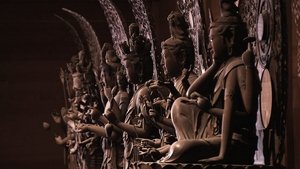
7. Belief in Kannon: The God of Mercy Redeems All2015-05-07 · 28mKannon Bosatsu is warmly worshipped, a comfort for the heart. The subject of many paintings and statues, he saves people across Buddhist sects. The 11-faced Kannon faces each direc
7
7. Belief in Kannon: The God of Mercy Redeems All2015-05-07 · 28mKannon Bosatsu is warmly worshipped, a comfort for the heart. The subject of many paintings and statues, he saves people across Buddhist sects. The 11-faced Kannon faces each direc
-
 8
8. Modern Architecture: Breathing Life into the Ancient Capital in a New Age2015-05-21 · 28mIn the late 1800's Kyoto architects and builders were the first to embrace change as Japan modernized. They incorporated the unusual Western designs into their buildings, changing
8
8. Modern Architecture: Breathing Life into the Ancient Capital in a New Age2015-05-21 · 28mIn the late 1800's Kyoto architects and builders were the first to embrace change as Japan modernized. They incorporated the unusual Western designs into their buildings, changing
-
 9
9. Kyogen: Laughing at the Absurdities of Life2015-06-04 · 28mKyogen is a traditional performing art, popular in Kyoto for more than 600 years. Noh evolved at around the same time and draws many of its tragic plots from historical events. But
9
9. Kyogen: Laughing at the Absurdities of Life2015-06-04 · 28mKyogen is a traditional performing art, popular in Kyoto for more than 600 years. Noh evolved at around the same time and draws many of its tragic plots from historical events. But
-
 10
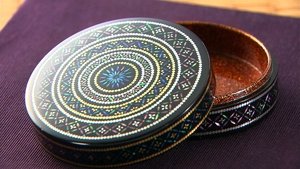
10. Kyoto Decorative Arts: The Artisans' Unceasing Pursuit of Beauty2015-06-18 · 28mThe decorative arts evolved throughout during the city's 1,200-year history and survive today. Kyoto's reputation commands the highest quality, and many works of stunning beauty em
10
10. Kyoto Decorative Arts: The Artisans' Unceasing Pursuit of Beauty2015-06-18 · 28mThe decorative arts evolved throughout during the city's 1,200-year history and survive today. Kyoto's reputation commands the highest quality, and many works of stunning beauty em
-
 11
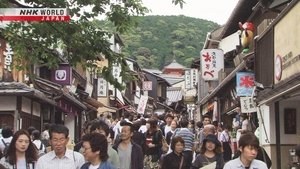
11. Around the Temple and Shrine Gates: Activities Along the Approaches Connect People2015-07-16 · 28mKyoto is home to many Buddhist and Shinto head temples and shrines. The approaches to the gates have long attracted vendors plying local specialties to worshippers. Kiyomizudera Mo
11
11. Around the Temple and Shrine Gates: Activities Along the Approaches Connect People2015-07-16 · 28mKyoto is home to many Buddhist and Shinto head temples and shrines. The approaches to the gates have long attracted vendors plying local specialties to worshippers. Kiyomizudera Mo
- 12 12. Shidashi-ryori: The Refined Hospitality of Catered Meals2015-07-30 · 28mShidashi-ryori is Kyoto hospitality. Kyotoites do not serve visitors and honored guests homemade dishes on ceremonial occasions. The convention is to entrust the preparations to tr
-
 13
13. The Capital of Peace and Bliss: Kyoto Streets Still Bear Hideyoshi's Mark2015-08-13 · 28mThe ancient capital was devastated during a period of intense war lasting 2 centuries until the late 16th century, when Toyotomi Hideyoshi assumed supreme power. He envisioned rebu
13
13. The Capital of Peace and Bliss: Kyoto Streets Still Bear Hideyoshi's Mark2015-08-13 · 28mThe ancient capital was devastated during a period of intense war lasting 2 centuries until the late 16th century, when Toyotomi Hideyoshi assumed supreme power. He envisioned rebu
- 14 14. Uji: The Aristocrats' Playground Where Fleeting Dreams Linger2015-09-03 · 28mFor Heian aristocrats some 1,200 years ago, Kyoto life was the world of officialdom. Uji, located southeast of the capital, was the retreat where they let their bodies and minds ru
-
 15
15. The Essence Behind Kyo-ryori: The Chefs' Dedication in the Detail2015-09-17 · 28mKyoto cuisine evolved in the old capital to please aristocratic eyes and palates. The local soft underground water inspired a cuisine that draws out flavors using dashi stock. Seaf
15
15. The Essence Behind Kyo-ryori: The Chefs' Dedication in the Detail2015-09-17 · 28mKyoto cuisine evolved in the old capital to please aristocratic eyes and palates. The local soft underground water inspired a cuisine that draws out flavors using dashi stock. Seaf
-
 16
16. Kyoto Woodcraft: Prominent Woodgrain and Refinement of Use2015-10-01 · 28mOver its 1,000 year history as capital, Kyoto attracted craftsmen with outstanding artistry from around Japan. They made quality implements and furnishings, and the craft developed
16
16. Kyoto Woodcraft: Prominent Woodgrain and Refinement of Use2015-10-01 · 28mOver its 1,000 year history as capital, Kyoto attracted craftsmen with outstanding artistry from around Japan. They made quality implements and furnishings, and the craft developed
-
 17
17. Iwashimizu-sai: The Ritual in the Gloom in Respect for All Life2015-10-15 · 28mIwashimizu Hachiman-gu lies in the southwest of Kyoto Prefecture. On September 15, this shrine holds the Iwashimizu-sai. This some 1,000-year-old festival is held in prayer for the
17
17. Iwashimizu-sai: The Ritual in the Gloom in Respect for All Life2015-10-15 · 28mIwashimizu Hachiman-gu lies in the southwest of Kyoto Prefecture. On September 15, this shrine holds the Iwashimizu-sai. This some 1,000-year-old festival is held in prayer for the
-
 18
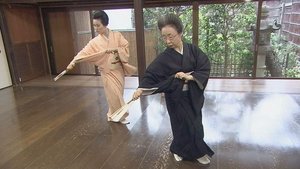
18. Traditional Kyoto Dance: Gion's Consummate Art Exalts Life2015-11-05 · 28mThe Inoue School of Dance evolved as a distinct form of traditional Japanese dance in Kyoto. Danced to a shamisen and song backing, it developed exclusively for the geiko and maiko
18
18. Traditional Kyoto Dance: Gion's Consummate Art Exalts Life2015-11-05 · 28mThe Inoue School of Dance evolved as a distinct form of traditional Japanese dance in Kyoto. Danced to a shamisen and song backing, it developed exclusively for the geiko and maiko
-
 19
19. Kyoto's Rebirth: The Ancient Capital Prospers Anew2015-11-19 · 28mKyoto today is a bustling tourist destination, but there was a time when it had lost its sparkle. The emperor moved to Tokyo 120 years ago to forge a modern state, and many followe
19
19. Kyoto's Rebirth: The Ancient Capital Prospers Anew2015-11-19 · 28mKyoto today is a bustling tourist destination, but there was a time when it had lost its sparkle. The emperor moved to Tokyo 120 years ago to forge a modern state, and many followe
-
 20
20. Folding Screens: Refined Furnishings Enhance Their Surroundings2015-12-03 · 28mByobu, or folding screens, were introduced to Japan in the 7th century as room partitions and windbreaks. Their distinct form today was shaped by Heian lifestyles and sensibilities
20
20. Folding Screens: Refined Furnishings Enhance Their Surroundings2015-12-03 · 28mByobu, or folding screens, were introduced to Japan in the 7th century as room partitions and windbreaks. Their distinct form today was shaped by Heian lifestyles and sensibilities