Core Kyoto S04E02 · Suiseki: A World of Understated Beauty Within Natural Stone
Watch now
Overview
Suiseki is the appreciation of natural stone shapes using poetic imagination to visualize magnificent mountain, island, or waterfall landscapes. This pastime arrived from China in the late 1100's and spread among Kyoto aristocrats and Zen monks. Suiseki's beauty lies in the stones' understated simplicity and becalming quality. The Seven Stones of Kamo found in the Kamo River basin are prized in suiseki circles. Discover the profound world of rock appreciation that evolved in the old capital.
Torrents
Searching torrents…
Subtitles
…
Episodes
SpecialsSeason 1Season 2Season 3Season 4Season 5Season 6Season 7Season 8Season 9Season 10Season 11Season 12Season 13Season 14
-
 1
1. Kyo-yaki: Kyoto Ceramics Charm and Delight the Beholder2016-01-07 · 28mKyo-yaki, or artistic ceramics fired in Kyoto, evolved within the rich culture of the ancient capital as crockery for the local cuisine and as utensils in tea ceremony. One potter,
1
1. Kyo-yaki: Kyoto Ceramics Charm and Delight the Beholder2016-01-07 · 28mKyo-yaki, or artistic ceramics fired in Kyoto, evolved within the rich culture of the ancient capital as crockery for the local cuisine and as utensils in tea ceremony. One potter,
-
 2
2. Suiseki: A World of Understated Beauty Within Natural Stone2016-01-21 · 28mSuiseki is the appreciation of natural stone shapes using poetic imagination to visualize magnificent mountain, island, or waterfall landscapes. This pastime arrived from China in
2
2. Suiseki: A World of Understated Beauty Within Natural Stone2016-01-21 · 28mSuiseki is the appreciation of natural stone shapes using poetic imagination to visualize magnificent mountain, island, or waterfall landscapes. This pastime arrived from China in
-
 3
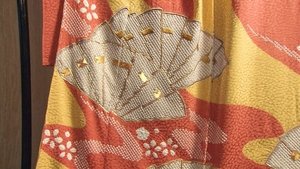
3. Kyo-Kanoko Shibori: Untying the Beauty Bound Within2016-02-18 · 28mKyo-kanoko shibori is the general term used for tie-dyed fabric made in Kyoto. The bumpy pattern on the fabric's surface is mesmerizing with its delicate shadows. Binding parts of
3
3. Kyo-Kanoko Shibori: Untying the Beauty Bound Within2016-02-18 · 28mKyo-kanoko shibori is the general term used for tie-dyed fabric made in Kyoto. The bumpy pattern on the fabric's surface is mesmerizing with its delicate shadows. Binding parts of
-
 4
4. Small Restaurants: A Full, Rich Experience While Sipping Sake2016-03-03 · 28mThe streets of Kyoto are dotted with many cozy-looking restaurants, which some may feel awkward about entering. Many of these small restaurants, referred to as koryoriya, specializ
4
4. Small Restaurants: A Full, Rich Experience While Sipping Sake2016-03-03 · 28mThe streets of Kyoto are dotted with many cozy-looking restaurants, which some may feel awkward about entering. Many of these small restaurants, referred to as koryoriya, specializ
-
 5
5. Obi: Unbridled Beauty in a Knot2016-04-07 · 28mThe obi sash is an integral accessory for the kimono. One company has produced opulent Nishijin-ori obi for more than 120 years. A lady conveys the obi's allure through fitting cla
5
5. Obi: Unbridled Beauty in a Knot2016-04-07 · 28mThe obi sash is an integral accessory for the kimono. One company has produced opulent Nishijin-ori obi for more than 120 years. A lady conveys the obi's allure through fitting cla
-
 6
6. Traditional Musical Instruments: Eternal Tones Waft Through the Ancient Capital2016-04-21 · 28mThe world's oldest orchestral music, gagaku was imported from mainland China in ancient times. The melody is not based on a scale, yet the tunes are gentle, unmetered tones of cont
6
6. Traditional Musical Instruments: Eternal Tones Waft Through the Ancient Capital2016-04-21 · 28mThe world's oldest orchestral music, gagaku was imported from mainland China in ancient times. The melody is not based on a scale, yet the tunes are gentle, unmetered tones of cont
-
 7
7. Woodblock Prints: Beauty in the Hands of a Trinity of Artists2016-05-05 · 28mTraditional woodblock prints in the ancient capital have a strong, distinct history. Their origins lie in the woodblock printing of Buddhist scriptures. Compared to the mass produc
7
7. Woodblock Prints: Beauty in the Hands of a Trinity of Artists2016-05-05 · 28mTraditional woodblock prints in the ancient capital have a strong, distinct history. Their origins lie in the woodblock printing of Buddhist scriptures. Compared to the mass produc
-
 8
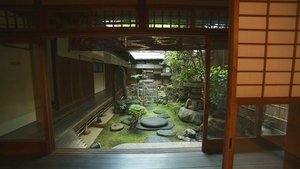
8. Tsubo-niwa: Life Enhanced by Quintessential Spaces2016-05-19 · 28mTraditional Kyoto Machiya townhouses have narrow entrances, and are long and deep. At the back lie small Tsubo-niwa gardens, enclosed on all sides. Originally serving to light and
8
8. Tsubo-niwa: Life Enhanced by Quintessential Spaces2016-05-19 · 28mTraditional Kyoto Machiya townhouses have narrow entrances, and are long and deep. At the back lie small Tsubo-niwa gardens, enclosed on all sides. Originally serving to light and
-
 9
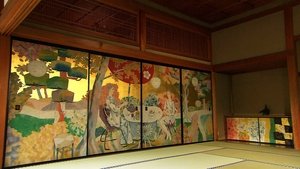
9. Insho Domoto: The Pulsing Heart of Artistic Innovation2016-06-02 · 28mKyoto artist Insho Domoto was prolific in the mid-20th century. He painted more than 600 dynamic sliding door paintings for Tofuku-ji, Chishaku-in and other major Buddhist temples
9
9. Insho Domoto: The Pulsing Heart of Artistic Innovation2016-06-02 · 28mKyoto artist Insho Domoto was prolific in the mid-20th century. He painted more than 600 dynamic sliding door paintings for Tofuku-ji, Chishaku-in and other major Buddhist temples
- 10 10. Hidden Treasures: Preserved for Another Millennium2016-06-16 · 28mDuring the spring and fall tourist seasons Kyoto's shrines and temples open their usually hidden treasures to the public. The Buddhist statues and paintings, and other precious cul
-
 11
11. Kyoto Walls: Elegance Molded from Earth2016-07-07 · 28mThe ancient capital's dignified air of yesteryear is in part generated by earthen walls: the walls of the imperial palace, shrines, temples and even private properties. Earthen wal
11
11. Kyoto Walls: Elegance Molded from Earth2016-07-07 · 28mThe ancient capital's dignified air of yesteryear is in part generated by earthen walls: the walls of the imperial palace, shrines, temples and even private properties. Earthen wal
-
 12
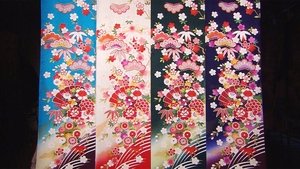
12. Kata-yuzen: The Stenciled Beauty of Dyeing2016-07-21 · 28mKata-yuzen is a Kyoto yuzen dyeing method that sometimes requires as many as 100 stencils to complete a bolt of kimono fabric. The development of this method saved dyers much time
12
12. Kata-yuzen: The Stenciled Beauty of Dyeing2016-07-21 · 28mKata-yuzen is a Kyoto yuzen dyeing method that sometimes requires as many as 100 stencils to complete a bolt of kimono fabric. The development of this method saved dyers much time
-
 13
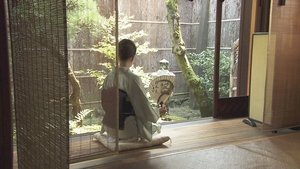
13. Cool Customs: Beating the Summer Heat2016-08-25 · 28mKyoto is surrounded by mountains on 3 sides, so the city is concentrated in the basin where summers are sultry. Over the centuries, Kyotoites contrived ways to stay cool. They drea
13
13. Cool Customs: Beating the Summer Heat2016-08-25 · 28mKyoto is surrounded by mountains on 3 sides, so the city is concentrated in the basin where summers are sultry. Over the centuries, Kyotoites contrived ways to stay cool. They drea
- 14 14. Atago Sennichi Mairi: Pilgrimage to the Guardian Against Fire2016-09-01 · 28mPaper talismans protecting against fire are common sights in Kyoto homes. People receive them at Atago Jinja, situated on top of a rugged mountain. The shrine holds Sennichi-mairi,
-
 15
15. Kiyomizu Rokubey: Tradition and Vision in Ceramics2016-09-22 · 28mThe Kiyomizu Rokubey studio, one of Kyoto's leading potteries, was established 245 years ago. Led by the current Rokubey, the 8th generation to take the name, it continues to produ
15
15. Kiyomizu Rokubey: Tradition and Vision in Ceramics2016-09-22 · 28mThe Kiyomizu Rokubey studio, one of Kyoto's leading potteries, was established 245 years ago. Led by the current Rokubey, the 8th generation to take the name, it continues to produ
-
 16
16. Stone Jizo: Neighborhood Guardians Watch Over Children2016-10-06 · 28mSome 10,000 stone Jizo Buddhist statues dot the streets of Kyoto. At the end of summer, children gather at the street corners where the statues stand for lively Jizo Bon festivitie
16
16. Stone Jizo: Neighborhood Guardians Watch Over Children2016-10-06 · 28mSome 10,000 stone Jizo Buddhist statues dot the streets of Kyoto. At the end of summer, children gather at the street corners where the statues stand for lively Jizo Bon festivitie
-
 17
17. The Cinema Capital: The Professionals Behind the Samurai Filming Industry2016-10-20 · 28mCamera crews are common sights in Kyoto's historic streets and peaceful rural areas. The first film screening in Japan was held here in 1897, and Kyoto became the cradle of the Jap
17
17. The Cinema Capital: The Professionals Behind the Samurai Filming Industry2016-10-20 · 28mCamera crews are common sights in Kyoto's historic streets and peaceful rural areas. The first film screening in Japan was held here in 1897, and Kyoto became the cradle of the Jap
-
 18
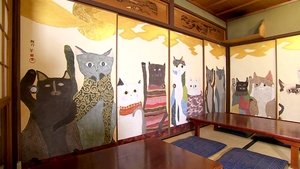
18. Fusuma Paintings: Artful Partitions Transform Space2016-11-03 · 28mFusuma are uniquely Japanese fittings, dating back a millennium, that act as partitions, sliding doors and walls. Painting them can transform a room's ambience. Fusuma paintings ha
18
18. Fusuma Paintings: Artful Partitions Transform Space2016-11-03 · 28mFusuma are uniquely Japanese fittings, dating back a millennium, that act as partitions, sliding doors and walls. Painting them can transform a room's ambience. Fusuma paintings ha
-
 19
19. Yase Shamenchi Odori: A Dance of Gratitude2016-11-17 · 28mBoys dressed as maidens walk the streets at night wearing lanterns adorned with intricate, cut-paper designs on their heads. Girls perform a votive dance. This intriguing festival
19
19. Yase Shamenchi Odori: A Dance of Gratitude2016-11-17 · 28mBoys dressed as maidens walk the streets at night wearing lanterns adorned with intricate, cut-paper designs on their heads. Girls perform a votive dance. This intriguing festival
-
 20
20. Iwakura Fire Festival: The Divine Spirit Returns2016-12-15 · 28mAt 3 a.m. on October 22, two large pine torches over 10m long are lit to signal the start of the fire festival at Iwakura Jinja. Long ago, it was believed that demons were containe
20
20. Iwakura Fire Festival: The Divine Spirit Returns2016-12-15 · 28mAt 3 a.m. on October 22, two large pine torches over 10m long are lit to signal the start of the fire festival at Iwakura Jinja. Long ago, it was believed that demons were containe