Core Kyoto S05E13 · Gion Matsuri Floats: The Pride of Generations Revived
Watch now
Overview
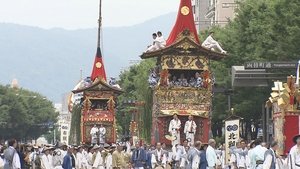
Gion Matsuri was restored to its former glory in 2014, almost 50 years after its two processions were merged into one. Again one parade precedes the deities' journey from the shrine to their temporary abode during the festival, and another precedes their return. The festival's revival was led by the resurrection of the Ofune Hoko float after 150 years. Now the Taka Yama float, absent for 190 years, will also be rebuilt. Discover the pride and passion of locals in bringing back old traditions.
Torrents
Searching torrents…
Subtitles
…
Episodes
SpecialsSeason 1Season 2Season 3Season 4Season 5Season 6Season 7Season 8Season 9Season 10Season 11Season 12Season 13Season 14
-
 1
1. Ohara: A Mountain Village Echoing with Buddhist Chants2017-01-12 · 28mSome 1,000 years ago, monks from warring Mt. Hiei and nobles from the capital retreated from the world in rustic Ohara, northeast of Kyoto. The monks perfected the practice of shom
1
1. Ohara: A Mountain Village Echoing with Buddhist Chants2017-01-12 · 28mSome 1,000 years ago, monks from warring Mt. Hiei and nobles from the capital retreated from the world in rustic Ohara, northeast of Kyoto. The monks perfected the practice of shom
-
 2
2. Kyoto State Guest House: Hospitality Imbued with Beauty and Craftsmanship2017-01-26 · 28mThe Kyoto State Guest House was built as a Japanese-style reception facility within the Kyoto Imperial Palace Park in 2005. This serene, elegant single-story facility hosts dignita
2
2. Kyoto State Guest House: Hospitality Imbued with Beauty and Craftsmanship2017-01-26 · 28mThe Kyoto State Guest House was built as a Japanese-style reception facility within the Kyoto Imperial Palace Park in 2005. This serene, elegant single-story facility hosts dignita
-
 3
3. Public Baths: People Gather to Wash Their Troubles Away2017-02-16 · 28mSento, or bathhouses, were built in Kyoto to cater to the large student and artisan population who lived in lodgings without baths. Many are worthy of historic note. One has been o
3
3. Public Baths: People Gather to Wash Their Troubles Away2017-02-16 · 28mSento, or bathhouses, were built in Kyoto to cater to the large student and artisan population who lived in lodgings without baths. Many are worthy of historic note. One has been o
-
 4
4. Kitayama Cedar: Lending a Quality of Polished Dignity and Beauty2017-03-02 · 28mThe soaring forest of tall, straight cedars in Kitayama, in Kyoto's northwest, is a glorious sight. Kitayama cedar -- known for its light color, uniform thickness, and smooth, knot
4
4. Kitayama Cedar: Lending a Quality of Polished Dignity and Beauty2017-03-02 · 28mThe soaring forest of tall, straight cedars in Kitayama, in Kyoto's northwest, is a glorious sight. Kitayama cedar -- known for its light color, uniform thickness, and smooth, knot
-
 5
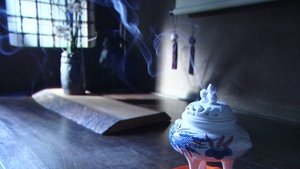
5. The Culture of Incense: The Wafting Scents of an Ageless Pleasure2017-04-06 · 28mIncense is primarily made by mixing natural plant-derived scents. It lends rooms ambience to welcome guests and is used in grooming. Originally burned in prayer, it now enrichens e
5
5. The Culture of Incense: The Wafting Scents of an Ageless Pleasure2017-04-06 · 28mIncense is primarily made by mixing natural plant-derived scents. It lends rooms ambience to welcome guests and is used in grooming. Originally burned in prayer, it now enrichens e
-
 6
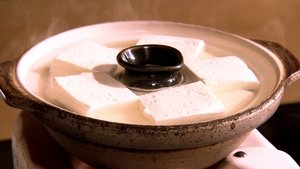
6. Kyoto Tofu: Subtle Taste Nourished by Skill and Pride2017-04-20 · 28mTofu arrived from China along with Buddhism over a millennium ago. It further evolved in Japan as an ingredient in Shojin-ryori vegetarian Zen cuisine and in time appeared on the t
6
6. Kyoto Tofu: Subtle Taste Nourished by Skill and Pride2017-04-20 · 28mTofu arrived from China along with Buddhism over a millennium ago. It further evolved in Japan as an ingredient in Shojin-ryori vegetarian Zen cuisine and in time appeared on the t
-
 7
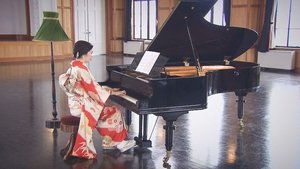
7. Modern Kyoto: The Ancient Capital's Aesthetics Shape the Future2017-05-04 · 28mKyoto's revitalization at the dawn of modernization in the 1860's was spurred by its 1,000-year history of tradition and innovation. The source of this vitality is the "generous an
7
7. Modern Kyoto: The Ancient Capital's Aesthetics Shape the Future2017-05-04 · 28mKyoto's revitalization at the dawn of modernization in the 1860's was spurred by its 1,000-year history of tradition and innovation. The source of this vitality is the "generous an
-
 8
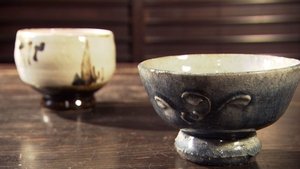
8. Potter Kanjiro Kawai: Freely Creating a Homely Warmth2017-05-18 · 28mKanjiro Kawai was prolific in Kyoto in the mid-1900's. Originally from Shimane Prefecture, he devoted himself to pottery at Gojozaka, the hub for graceful Kiyomizu ceramics, for 46
8
8. Potter Kanjiro Kawai: Freely Creating a Homely Warmth2017-05-18 · 28mKanjiro Kawai was prolific in Kyoto in the mid-1900's. Originally from Shimane Prefecture, he devoted himself to pottery at Gojozaka, the hub for graceful Kiyomizu ceramics, for 46
-
 9
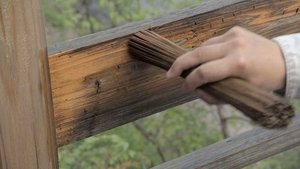
9. The Art of Cleaning: Maintaining the Ancient Capital's Beauty2017-06-01 · 28mThe business of Araiya in Kyoto involves cleaning and restoring old temples, shrines, Machiya-style townhouses, and other wooden structures to their former glory. The industry is s
9
9. The Art of Cleaning: Maintaining the Ancient Capital's Beauty2017-06-01 · 28mThe business of Araiya in Kyoto involves cleaning and restoring old temples, shrines, Machiya-style townhouses, and other wooden structures to their former glory. The industry is s
-
 10
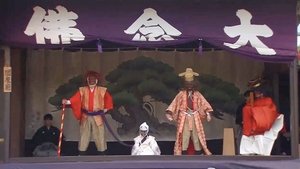
10. Nenbutsu Kyogen: Buddhist Teachings Behind Masked Theater2017-06-15 · 28mNenbutsu Kyogen is held at Kyoto temples in spring. This masked theater began here 1,000 years ago as group recitations of Buddhist teachings to receive greater blessings. In time
10
10. Nenbutsu Kyogen: Buddhist Teachings Behind Masked Theater2017-06-15 · 28mNenbutsu Kyogen is held at Kyoto temples in spring. This masked theater began here 1,000 years ago as group recitations of Buddhist teachings to receive greater blessings. In time
-
 11
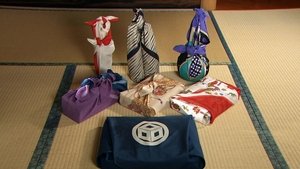
11. The Custom of Wrapping: Conveying Hidden Sentiments2017-07-06 · 28mKyotoites have for centuries refrained from directly conveying their true sentiments. Instead, they have refined the art of gift wrapping as a means of subtle communication. As sen
11
11. The Custom of Wrapping: Conveying Hidden Sentiments2017-07-06 · 28mKyotoites have for centuries refrained from directly conveying their true sentiments. Instead, they have refined the art of gift wrapping as a means of subtle communication. As sen
-
 12
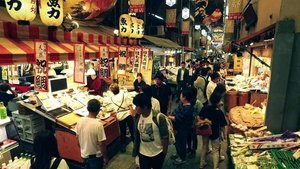
12. Nishiki Market: Kyoto's Thriving Kitchen2017-07-20 · 28mNishiki Market, referred to as "Kyoto's kitchen", supplies local households and businesses with choice local cooking ingredients, including Kyoto vegetables and seafood. It began 1
12
12. Nishiki Market: Kyoto's Thriving Kitchen2017-07-20 · 28mNishiki Market, referred to as "Kyoto's kitchen", supplies local households and businesses with choice local cooking ingredients, including Kyoto vegetables and seafood. It began 1
-
 13
13. Gion Matsuri Floats: The Pride of Generations Revived2017-08-24 · 28mGion Matsuri was restored to its former glory in 2014, almost 50 years after its two processions were merged into one. Again one parade precedes the deities' journey from the shrin
13
13. Gion Matsuri Floats: The Pride of Generations Revived2017-08-24 · 28mGion Matsuri was restored to its former glory in 2014, almost 50 years after its two processions were merged into one. Again one parade precedes the deities' journey from the shrin
-
 14
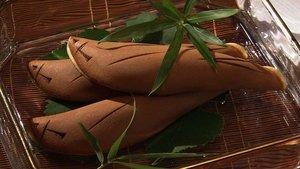
14. Ayu Sweetfish: A Summer Delicacy with Culture2017-09-07 · 28mIn early summer, confectioners display traditional sweets shaped like ayu, or sweetfish. For Kyotoites, ayu is as important a summer fish as conger pike. For centuries, fresh seafo
14
14. Ayu Sweetfish: A Summer Delicacy with Culture2017-09-07 · 28mIn early summer, confectioners display traditional sweets shaped like ayu, or sweetfish. For Kyotoites, ayu is as important a summer fish as conger pike. For centuries, fresh seafo
-
 15
15. Hidari-daimonji: Flames of Prayer to the Other Side2017-09-21 · 28mJapanese believe their ancestors' spirits visit in mid-August. To safely guide the spirits back to the other world, they light bonfires on 5 mountains in the Gozan-no-okuribi cerem
15
15. Hidari-daimonji: Flames of Prayer to the Other Side2017-09-21 · 28mJapanese believe their ancestors' spirits visit in mid-August. To safely guide the spirits back to the other world, they light bonfires on 5 mountains in the Gozan-no-okuribi cerem
-
 16
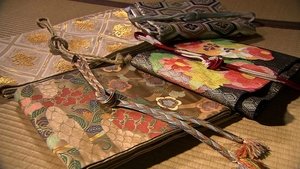
16. Kyoto Braided Cords: Bit Players That Shine2017-10-05 · 28mKyoto's braided cords came into their own as fashion accessories for the nobility, 1,000 years ago. Elegant and practical, they were highly prized, and used in religious and formal
16
16. Kyoto Braided Cords: Bit Players That Shine2017-10-05 · 28mKyoto's braided cords came into their own as fashion accessories for the nobility, 1,000 years ago. Elegant and practical, they were highly prized, and used in religious and formal
-
 17
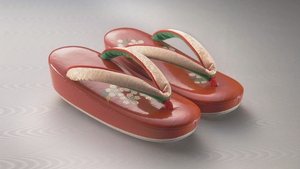
17. Footwear Culture: Dressing the Feet for Form and Function2017-10-19 · 28mGeta and zori set off the kimono ensemble. People from all walks of life covet Kyoto footwear that evolved with the kimono. Artisans pursue beauty and functionality in the simple c
17
17. Footwear Culture: Dressing the Feet for Form and Function2017-10-19 · 28mGeta and zori set off the kimono ensemble. People from all walks of life covet Kyoto footwear that evolved with the kimono. Artisans pursue beauty and functionality in the simple c
-
 18
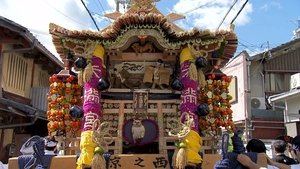
18. Zuiki Matsuri: A Celebration of the Local Harvests2017-11-02 · 28mIn early October, Kitano Tenmangu shrine holds the Zuiki Matsuri festival. Sacred palanquins carry the spirit of the shrine's deity through the parish to its temporary abode. Enshr
18
18. Zuiki Matsuri: A Celebration of the Local Harvests2017-11-02 · 28mIn early October, Kitano Tenmangu shrine holds the Zuiki Matsuri festival. Sacred palanquins carry the spirit of the shrine's deity through the parish to its temporary abode. Enshr
-
 19
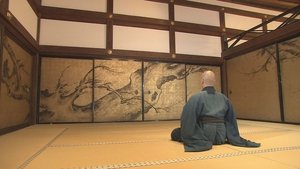
19. Ink Paintings: Insights into the Heart of Zen2017-11-16 · 28mDramatic blacks and pearly grays evoke profound scenes. Originating in China, ink painting was once part of Zen monks' ascetic training. It reveals the beauty of space in a simple,
19
19. Ink Paintings: Insights into the Heart of Zen2017-11-16 · 28mDramatic blacks and pearly grays evoke profound scenes. Originating in China, ink painting was once part of Zen monks' ascetic training. It reveals the beauty of space in a simple,
-
 20
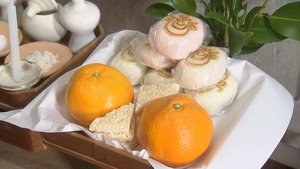
20. Kyoto Snacks: Sweets and Treats for Everyday People2017-12-21 · 28mIn Kyoto, people regularly buy sweet treats at stores, which specialize in seasonal sweets that are also used in festivals. Some purveyors continue to use age-old ingredients and m
20
20. Kyoto Snacks: Sweets and Treats for Everyday People2017-12-21 · 28mIn Kyoto, people regularly buy sweet treats at stores, which specialize in seasonal sweets that are also used in festivals. Some purveyors continue to use age-old ingredients and m