Core Kyoto S06E05 · Bubuzuke: A Dish Inspired by Frugality
Watch now
Overview
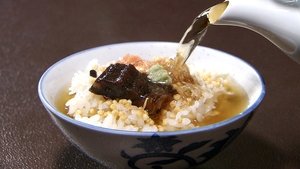
Hot green tea poured over steamed rice topped with salted kombu kelp and other flavorings is commonly known as ochazuke, but called bubuzuke in Kyoto. Records from the 1800's show that common folk cooked rice once a day, at lunchtime, and for other meals they would pour hot tea over cold rice. Today topped with a colorful variety of pickles, or eel or sea bream, bubuzuke has become a local specialty in its own right. Discover the Kyoto spirit of frugality through a simple meal of rice and tea.
Torrents
Searching torrents…
Subtitles
…
Episodes
SpecialsSeason 1Season 2Season 3Season 4Season 5Season 6Season 7Season 8Season 9Season 10Season 11Season 12Season 13Season 14
-
 1
1. Kurama: Mystical Land of Legends2018-01-11 · 28mMount Kurama, located north of urban Kyoto, is steeped in legend. Goblin-like creatures called Tengu are believed to live deep in the forest, where one allegedly taught swordsmansh
1
1. Kurama: Mystical Land of Legends2018-01-11 · 28mMount Kurama, located north of urban Kyoto, is steeped in legend. Goblin-like creatures called Tengu are believed to live deep in the forest, where one allegedly taught swordsmansh
-
 2
2. Fabric Pieces: Honoring the Past2018-01-25 · 28mKyotoites in days of old valued high quality fabric and woven textiles from abroad like gold. Pieces of these fabrics have been handed down and continue to fascinate people today.
2
2. Fabric Pieces: Honoring the Past2018-01-25 · 28mKyotoites in days of old valued high quality fabric and woven textiles from abroad like gold. Pieces of these fabrics have been handed down and continue to fascinate people today.
-
 3
3. Celebrating the New Year: With Reverence and Gratitude2018-02-01 · 28mThe year end begins in mid-December. Maiko and geiko pay their respects to teachers. Decorations and other seasonal goods enjoy brisk sales at markets, homes are decorated and osec
3
3. Celebrating the New Year: With Reverence and Gratitude2018-02-01 · 28mThe year end begins in mid-December. Maiko and geiko pay their respects to teachers. Decorations and other seasonal goods enjoy brisk sales at markets, homes are decorated and osec
-
 4
4. An Artistic Lineage: Nurturing a Painting Tradition2018-03-15 · 28mKyoto City University of Arts was founded in 1880. Its educational policy emphasizes shasei – painting from life through intensive observation to glean a subject's true essence. It
4
4. An Artistic Lineage: Nurturing a Painting Tradition2018-03-15 · 28mKyoto City University of Arts was founded in 1880. Its educational policy emphasizes shasei – painting from life through intensive observation to glean a subject's true essence. It
-
 5
5. Bubuzuke: A Dish Inspired by Frugality2018-04-05 · 28mHot green tea poured over steamed rice topped with salted kombu kelp and other flavorings is commonly known as ochazuke, but called bubuzuke in Kyoto. Records from the 1800's show
5
5. Bubuzuke: A Dish Inspired by Frugality2018-04-05 · 28mHot green tea poured over steamed rice topped with salted kombu kelp and other flavorings is commonly known as ochazuke, but called bubuzuke in Kyoto. Records from the 1800's show
-
 6
6. Maiko Hair Ornaments: A Classical Culture of Kawaii2018-04-19 · 28mMaiko are the charming symbol of Kyoto's kagai entertainment districts. Their hairstyle and hair ornaments are key elements of their kawaii appeal. The ornaments are changed every
6
6. Maiko Hair Ornaments: A Classical Culture of Kawaii2018-04-19 · 28mMaiko are the charming symbol of Kyoto's kagai entertainment districts. Their hairstyle and hair ornaments are key elements of their kawaii appeal. The ornaments are changed every
-
 7
7. Yasurai Matsuri: Town Elders' Prayers Embodied in Flowers and Dance2018-05-03 · 28mRed and black demons beating drums and gongs dance through the streets of Kyoto's north in the Yasurai Matsuri, one of the city's three most curious festivals. In days of old, pest
7
7. Yasurai Matsuri: Town Elders' Prayers Embodied in Flowers and Dance2018-05-03 · 28mRed and black demons beating drums and gongs dance through the streets of Kyoto's north in the Yasurai Matsuri, one of the city's three most curious festivals. In days of old, pest
-
 8
8. Dynastic Arts & Crafts: The Pursuit of Heian Peace and Beauty2018-05-17 · 28mVividly painted clamshells and a pristine cypress helmet -- these and other works bear a legacy of beauty and formality dating back over 1,200 years to the Heian dynasty. Behind th
8
8. Dynastic Arts & Crafts: The Pursuit of Heian Peace and Beauty2018-05-17 · 28mVividly painted clamshells and a pristine cypress helmet -- these and other works bear a legacy of beauty and formality dating back over 1,200 years to the Heian dynasty. Behind th
-
 9
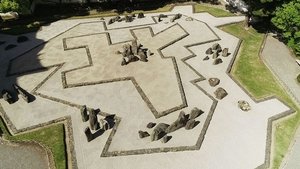
9. Mirei Shigemori: The Ageless Modernity of the Rock Garden2018-06-07 · 28mMirei Shigemori, a prolific landscape artist based in Kyoto from the late 1920's, is famous for the striking and abundant creativity of his gardens. He made a powerful impact on ga
9
9. Mirei Shigemori: The Ageless Modernity of the Rock Garden2018-06-07 · 28mMirei Shigemori, a prolific landscape artist based in Kyoto from the late 1920's, is famous for the striking and abundant creativity of his gardens. He made a powerful impact on ga
-
 10
10. Kyokusui-no-Utage: Poetry with Classic Heian Elegance2018-06-21 · 28m1,000 years ago, aristocrats would compose short waka poems seated by a babbling brook at the imperial palace, sipping sake and admiring the changes in the seasons. This outdoor pa
10
10. Kyokusui-no-Utage: Poetry with Classic Heian Elegance2018-06-21 · 28m1,000 years ago, aristocrats would compose short waka poems seated by a babbling brook at the imperial palace, sipping sake and admiring the changes in the seasons. This outdoor pa
-
 11
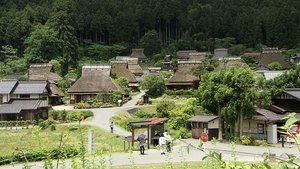
11. Satoyama Living: Country Customs Sustaining the Ancient Capital2018-07-05 · 28mThe satoyama style of living in harmony with nature, and the customs that influenced life in the ancient capital, survive in the mountains north of central Kyoto. An old inn in the
11
11. Satoyama Living: Country Customs Sustaining the Ancient Capital2018-07-05 · 28mThe satoyama style of living in harmony with nature, and the customs that influenced life in the ancient capital, survive in the mountains north of central Kyoto. An old inn in the
-
 12
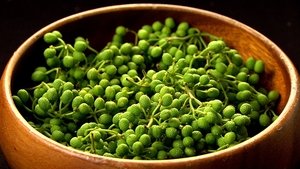
12. Japanese Pepper: The Zesty Spice of Kyoto Cuisine2018-07-19 · 28mJapanese pepper, or sansho, is characterized by a fresh aroma and a tongue-numbing tingle. A sprinkle of it can dramatically perk up the flavor of food. Used in Japanese cooking fo
12
12. Japanese Pepper: The Zesty Spice of Kyoto Cuisine2018-07-19 · 28mJapanese pepper, or sansho, is characterized by a fresh aroma and a tongue-numbing tingle. A sprinkle of it can dramatically perk up the flavor of food. Used in Japanese cooking fo
-
 13
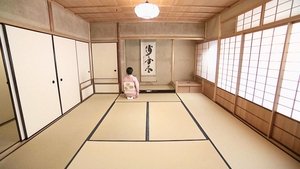
13. Tatami: The Flooring Underlying Japanese Culture2018-08-16 · 28mTatami's history stretches back 800 years to the imperial court. Later it evolved with the tea ceremony and with the lifestyles of ordinary people. Tatami has influenced comportmen
13
13. Tatami: The Flooring Underlying Japanese Culture2018-08-16 · 28mTatami's history stretches back 800 years to the imperial court. Later it evolved with the tea ceremony and with the lifestyles of ordinary people. Tatami has influenced comportmen
-
 14
14. Folding Fans: Cooling Accessories Encapsulate Elegance2018-09-06 · 28mIn Japan's humid summers, people cool themselves with fans that can be conveniently folded away. Large folding fans, or ogi, were first used as symbols of nobility in Heian court r
14
14. Folding Fans: Cooling Accessories Encapsulate Elegance2018-09-06 · 28mIn Japan's humid summers, people cool themselves with fans that can be conveniently folded away. Large folding fans, or ogi, were first used as symbols of nobility in Heian court r
-
 15
15. The Matsuage Festival: Keeping the Fire Tradition Alive2018-09-20 · 28mThe biggest event in the mountain village of Hirogawara in northern Kyoto is held in late August. Men hurl flaming bundles into the air to light a torch towering 20m high in prayer
15
15. The Matsuage Festival: Keeping the Fire Tradition Alive2018-09-20 · 28mThe biggest event in the mountain village of Hirogawara in northern Kyoto is held in late August. Men hurl flaming bundles into the air to light a torch towering 20m high in prayer
-
 16
16. The Artisans for the Deities: Enduring Skills and Devotion2018-10-04 · 28mKyoto has a particular profusion of Shinto shrines and festivals. The sacred and ritual objects, and priestly vestments used in Shinto are made in accordance with a 1,000-year-old
16
16. The Artisans for the Deities: Enduring Skills and Devotion2018-10-04 · 28mKyoto has a particular profusion of Shinto shrines and festivals. The sacred and ritual objects, and priestly vestments used in Shinto are made in accordance with a 1,000-year-old
-
 17
17. Kyoto Cosmetics: Secrets for Drawing Out Inner Beauty2018-10-18 · 28mLocal-brand cosmetics are must-have souvenirs for women visiting Kyoto. New products in pretty Japanese-style packaging are constantly being released, made with gentle natural ingr
17
17. Kyoto Cosmetics: Secrets for Drawing Out Inner Beauty2018-10-18 · 28mLocal-brand cosmetics are must-have souvenirs for women visiting Kyoto. New products in pretty Japanese-style packaging are constantly being released, made with gentle natural ingr
-
 18
18. The Culture of Gold Leaf: Gossamer Layers Beget Profound Beauty2018-11-01 · 28mGold leaf is just 0.1 micron thick, and almost translucent, but it has a lasting luster. Gilt craftsmen utilize its qualities to accent brocade, lacquerware, and Buddhist structure
18
18. The Culture of Gold Leaf: Gossamer Layers Beget Profound Beauty2018-11-01 · 28mGold leaf is just 0.1 micron thick, and almost translucent, but it has a lasting luster. Gilt craftsmen utilize its qualities to accent brocade, lacquerware, and Buddhist structure
-
 19
19. Kyoto Swords: Splendor That Dispels Evil Spirits2018-11-08 · 28mSwordsmiths have forged swords in Kyoto for over a millennium. More than mere blades, these swords were also symbols of a spiritual culture. As they gained prestige, they became mu
19
19. Kyoto Swords: Splendor That Dispels Evil Spirits2018-11-08 · 28mSwordsmiths have forged swords in Kyoto for over a millennium. More than mere blades, these swords were also symbols of a spiritual culture. As they gained prestige, they became mu
-
 20
20. End of the Samurai Era: The Capital Survives Turbulent Times2018-12-27 · 28mThe events of the mid-1800's that led to the dawn of the modern era in 1868 shook Kyoto. The Tokugawa Shogunate collapsed, ending 700 years of samurai control. Youths battled for t
20
20. End of the Samurai Era: The Capital Survives Turbulent Times2018-12-27 · 28mThe events of the mid-1800's that led to the dawn of the modern era in 1868 shook Kyoto. The Tokugawa Shogunate collapsed, ending 700 years of samurai control. Youths battled for t