Core Kyoto S07E13 · Awata Matsuri: An Ancient Festival Revived
Watch now
Overview
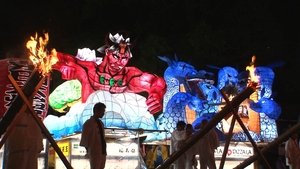
Giant lantern floats light up the night, and the next day a 1.2-ton portable shrine is carried through the streets by a total of 250 people, preceded by long poles rising into the sky, balanced by people on foot. Dating back 1,000 years, Awata Matsuri is a syncretic festival involving both Buddhism and Shinto. Although portions of it were discontinued over the years, today it has been revived in its entirety. Discover the bonds this festival is creating among parishioners, students and others.
Torrents
Searching torrents…
Subtitles
…
Episodes
SpecialsSeason 1Season 2Season 3Season 4Season 5Season 6Season 7Season 8Season 9Season 10Season 11Season 12Season 13Season 14
- 1 1. Sagano: A Sense of Transience in an Age-old Retreat2019-01-17 · 28mArashiyama -- one of Japan's most scenic spots -- and famous temples are located in Sagano. Its lush nature and seasonal beauty enchanted the court nobility who made it their retre
-
 2
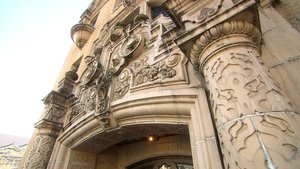
2. Modern Civil Architecture: A Strikingly Eclectic Heritage2019-02-07 · 28mMany modern buildings for use by ordinary citizens, such as homes, schools, and restaurants, sprang up around Kyoto in the early 1900's. Kyotoites desired buildings that blended in
2
2. Modern Civil Architecture: A Strikingly Eclectic Heritage2019-02-07 · 28mMany modern buildings for use by ordinary citizens, such as homes, schools, and restaurants, sprang up around Kyoto in the early 1900's. Kyotoites desired buildings that blended in
-
 3
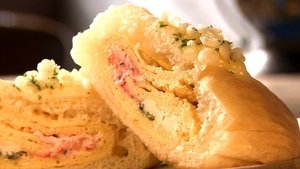
3. Kyoto's Bakery Culture: Testament to the Ancient Capital's Modernity2019-02-21 · 28mIt may come as a surprise that Kyoto -- the capital of Japanese cuisine -- leads the country in the consumption of Western culture's staple food. Bread entered through Yokohama and
3
3. Kyoto's Bakery Culture: Testament to the Ancient Capital's Modernity2019-02-21 · 28mIt may come as a surprise that Kyoto -- the capital of Japanese cuisine -- leads the country in the consumption of Western culture's staple food. Bread entered through Yokohama and
- 4 4. The Minamiza Theatre: In the Spiritual Home of Kabuki2019-03-28 · 28mKabuki evolved from the unorthodox dances of a female performer in Kyoto in the early 1600's. The Minamiza is the only remaining theatre of the many that operated in its time. The
-
 5
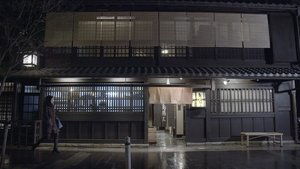
5. Kyoto Storefronts: Enticements to Enter Within2019-04-04 · 28mTraditional Kyoto store frontages feature latticework, a "noren" entrance curtain and perhaps a signboard. Confectioner, retailer or restaurant - most trades developed their own di
5
5. Kyoto Storefronts: Enticements to Enter Within2019-04-04 · 28mTraditional Kyoto store frontages feature latticework, a "noren" entrance curtain and perhaps a signboard. Confectioner, retailer or restaurant - most trades developed their own di
-
 6
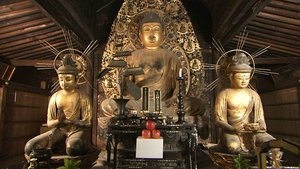
6. Amida Buddha: Prayers for Guidance to the Pure Land2019-05-16 · 28mBuddhists faithful intone "Namu Amida Butsu" in ardent prayer to Amida Buddha for the release from suffering and death in this world into the Pure Land of Ultimate Bliss. "Namu" me
6
6. Amida Buddha: Prayers for Guidance to the Pure Land2019-05-16 · 28mBuddhists faithful intone "Namu Amida Butsu" in ardent prayer to Amida Buddha for the release from suffering and death in this world into the Pure Land of Ultimate Bliss. "Namu" me
-
 7
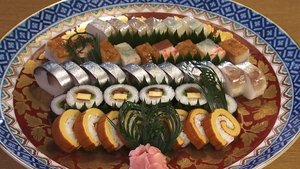
7. Kyoto-style Sushi: Artful, Beautiful and Delicious2019-06-20 · 28mThe origins of the local sushi, which does not use raw fish and places importance on the rice, lie in mackerel sushi. The fish needed to be salted to prevent spoilage on its journe
7
7. Kyoto-style Sushi: Artful, Beautiful and Delicious2019-06-20 · 28mThe origins of the local sushi, which does not use raw fish and places importance on the rice, lie in mackerel sushi. The fish needed to be salted to prevent spoilage on its journe
-
 8
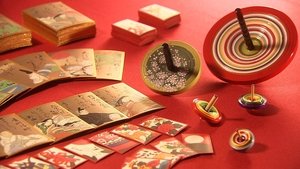
8. Kyoto Toys: Elegant Amusements That Inspire Delight2019-07-04 · 28mMany of Japan's traditional toys and playthings originate in the culture of the imperial court 1,000 years ago: a lavish shell game, Fushimi figurines that are thought to have insp
8
8. Kyoto Toys: Elegant Amusements That Inspire Delight2019-07-04 · 28mMany of Japan's traditional toys and playthings originate in the culture of the imperial court 1,000 years ago: a lavish shell game, Fushimi figurines that are thought to have insp
-
 9
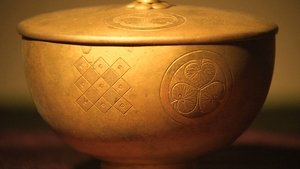
9. Family Crests: Pedigree in the Ancient Capital2019-08-01 · 28mThe dignified crests adorning various items from Noren curtains to temple roofs are a common sight in Kyoto. These symbols of families and organizations originated over 1,000 years
9
9. Family Crests: Pedigree in the Ancient Capital2019-08-01 · 28mThe dignified crests adorning various items from Noren curtains to temple roofs are a common sight in Kyoto. These symbols of families and organizations originated over 1,000 years
-
 10
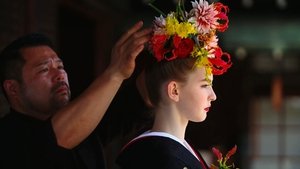
10. The Modern Flower: Old Meets New in Arrangement2019-10-10 · 28mAll manner of floral encounters await people around Kyoto. Florists do not just sell flowers but also arrange them on site with designer flair. Ikebana schools collaborate to reviv
10
10. The Modern Flower: Old Meets New in Arrangement2019-10-10 · 28mAll manner of floral encounters await people around Kyoto. Florists do not just sell flowers but also arrange them on site with designer flair. Ikebana schools collaborate to reviv
-
 11
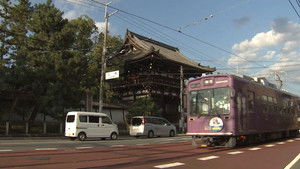
11. Randen: The Streetcar Close to Residents' Hearts2019-10-31 · 28mRanden weaves its way to popular tourist destinations Arashiyama and Kitano, with Ryoan-ji and other UNESCO World Heritage Sites scattered along the tramlines. Founded in 1912, the
11
11. Randen: The Streetcar Close to Residents' Hearts2019-10-31 · 28mRanden weaves its way to popular tourist destinations Arashiyama and Kitano, with Ryoan-ji and other UNESCO World Heritage Sites scattered along the tramlines. Founded in 1912, the
-
 12
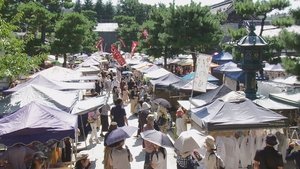
12. Kyoto Markets: Places of Worship Bring People Together2019-11-07 · 28mKyoto's famous Buddhist temples and Shinto shrines hold markets on their fete days. Toji's bazaar attracts up to 200,000 visitors. Kitano Tenmangu shrine's antiques market features
12
12. Kyoto Markets: Places of Worship Bring People Together2019-11-07 · 28mKyoto's famous Buddhist temples and Shinto shrines hold markets on their fete days. Toji's bazaar attracts up to 200,000 visitors. Kitano Tenmangu shrine's antiques market features
-
 13
13. Awata Matsuri: An Ancient Festival Revived2019-12-05 · 28mGiant lantern floats light up the night, and the next day a 1.2-ton portable shrine is carried through the streets by a total of 250 people, preceded by long poles rising into the
13
13. Awata Matsuri: An Ancient Festival Revived2019-12-05 · 28mGiant lantern floats light up the night, and the next day a 1.2-ton portable shrine is carried through the streets by a total of 250 people, preceded by long poles rising into the