Core Kyoto S09E11 · Wire Netting Utensils: Practical, Superbly Handwoven Beauty
Watch now
Overview
Wire netting techniques originated over 1,000 years ago in netting to repel birds and religious altar fittings and treasures, such as sutra receptacles. The intricate geometrical patterns can only be created by hand. Today the craft is mostly used in cooking utensils. Kyoto once had 30 workshops, but a handful remain in operation. Discover the world of wire netting through the efforts of a father-son team looking to keep the traditional craft alive through revolutionary advances in technology.
Torrents
Searching torrents…
Subtitles
…
Episodes
SpecialsSeason 1Season 2Season 3Season 4Season 5Season 6Season 7Season 8Season 9Season 10Season 11Season 12Season 13Season 14
-
 1
1. Conversations: A Nishijin Textile Producer & An Architect2021-01-21 · 28mHosoo Masataka, the 12th-generation of a Nishijin brocade producer, is making waves abroad as he updates the Nishijin brand with new technology and textiles. Tokyo-based architect
1
1. Conversations: A Nishijin Textile Producer & An Architect2021-01-21 · 28mHosoo Masataka, the 12th-generation of a Nishijin brocade producer, is making waves abroad as he updates the Nishijin brand with new technology and textiles. Tokyo-based architect
-
 2
2. The Forests of Keihoku: Nature's Blessings Sustain the Ancient Capital2021-02-04 · 28mMountainous Keihoku in Kyoto's north is more than 90% woodlands. The drastic temperature differences and the frequent rain and mist are ideal conditions for forestry. For more than
2
2. The Forests of Keihoku: Nature's Blessings Sustain the Ancient Capital2021-02-04 · 28mMountainous Keihoku in Kyoto's north is more than 90% woodlands. The drastic temperature differences and the frequent rain and mist are ideal conditions for forestry. For more than
-
 3
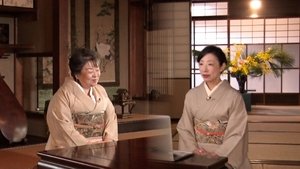
3. Conversations: The Enduring Pride of Two Venerable Families2021-02-18 · 28mReizei Kimiko is the daughter of the 24th head of a once aristocratic family. Together with her husband, she upholds traditions in Waka poetry and other court rituals. Sugimoto Set
3
3. Conversations: The Enduring Pride of Two Venerable Families2021-02-18 · 28mReizei Kimiko is the daughter of the 24th head of a once aristocratic family. Together with her husband, she upholds traditions in Waka poetry and other court rituals. Sugimoto Set
-
 4
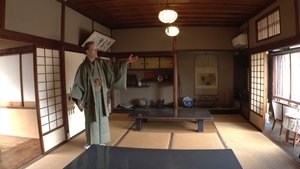
4. Life in a Machiya: The Appreciation of Nature and Time2021-03-18 · 28mThe traditional, wooden townhouses built prior to 1950 that dot the downtown area of Kyoto served as both living and work spaces. American Jeff Berglund, university professor and K
4
4. Life in a Machiya: The Appreciation of Nature and Time2021-03-18 · 28mThe traditional, wooden townhouses built prior to 1950 that dot the downtown area of Kyoto served as both living and work spaces. American Jeff Berglund, university professor and K
-
 5
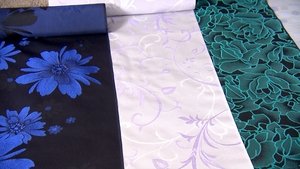
5. Tango Chirimen: The Finest Texture in Silk Crepe2021-04-29 · 28mThe Tango district in northern Kyoto Pref. is Japan's largest producer of a supple fabric, supplying 60% of the kimono industry. The elegantly crimped texture makes it easy to dye.
5
5. Tango Chirimen: The Finest Texture in Silk Crepe2021-04-29 · 28mThe Tango district in northern Kyoto Pref. is Japan's largest producer of a supple fabric, supplying 60% of the kimono industry. The elegantly crimped texture makes it easy to dye.
-
 6
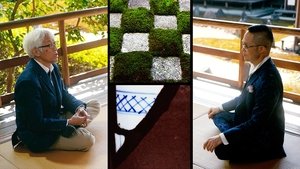
6. Conversations: A Landscape Gardener and a Glass Artist2021-05-06 · 28mShigemori Chisao, grandson of landscape gardener Mirei, creates modern gardens in Japan and abroad, taking inspiration from dry-landscape Karesansui. This type of garden evolved in
6
6. Conversations: A Landscape Gardener and a Glass Artist2021-05-06 · 28mShigemori Chisao, grandson of landscape gardener Mirei, creates modern gardens in Japan and abroad, taking inspiration from dry-landscape Karesansui. This type of garden evolved in
-
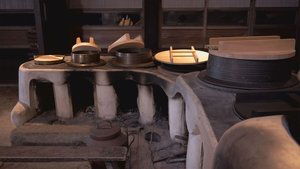 7
7. Okudo-san: Traditional Cooking Stoves2021-05-13 · 28mIn Kyoto, traditional cooking stoves affectionately called Okudo-san were once the heart of the household and the focus of belief in the deity of fire. With the proliferation of el
7
7. Okudo-san: Traditional Cooking Stoves2021-05-13 · 28mIn Kyoto, traditional cooking stoves affectionately called Okudo-san were once the heart of the household and the focus of belief in the deity of fire. With the proliferation of el
-
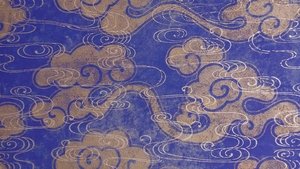 8
8. Karakami: Ornamental Paper with Timeless Beauty2021-05-20 · 28mKarakami is washi woodblock-printed with nature motifs and geometric patterns. Arriving from China around 1,000 years ago, this ornamental paper came to be used in interiors as wal
8
8. Karakami: Ornamental Paper with Timeless Beauty2021-05-20 · 28mKarakami is washi woodblock-printed with nature motifs and geometric patterns. Arriving from China around 1,000 years ago, this ornamental paper came to be used in interiors as wal
-
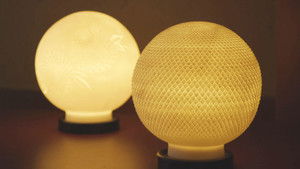 9
9. Higashiyama Potters: Creativity in Clay Connects the Ages2021-06-10 · 28mThe eastern mountains once hosted many climbing kilns, attracting scores of potters. Kyo-yaki pottery evolved in its diversity for use in cooking and tea ceremonies. Modern potters
9
9. Higashiyama Potters: Creativity in Clay Connects the Ages2021-06-10 · 28mThe eastern mountains once hosted many climbing kilns, attracting scores of potters. Kyo-yaki pottery evolved in its diversity for use in cooking and tea ceremonies. Modern potters
-
 10
10. The World of Moss: Soothing Beauty, Subtle yet Refined2021-08-19 · 28mVerdant, furry moss, of which there are some 1800 varieties, has the power to fascinate. Moss makes a literary appearance in an early-10th-century poem. Later a culture revolving a
10
10. The World of Moss: Soothing Beauty, Subtle yet Refined2021-08-19 · 28mVerdant, furry moss, of which there are some 1800 varieties, has the power to fascinate. Moss makes a literary appearance in an early-10th-century poem. Later a culture revolving a
-
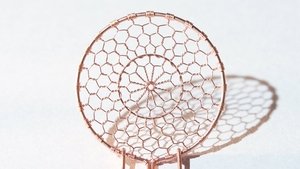 11
11. Wire Netting Utensils: Practical, Superbly Handwoven Beauty2021-09-02 · 28mWire netting techniques originated over 1,000 years ago in netting to repel birds and religious altar fittings and treasures, such as sutra receptacles. The intricate geometrical p
11
11. Wire Netting Utensils: Practical, Superbly Handwoven Beauty2021-09-02 · 28mWire netting techniques originated over 1,000 years ago in netting to repel birds and religious altar fittings and treasures, such as sutra receptacles. The intricate geometrical p
-
 12
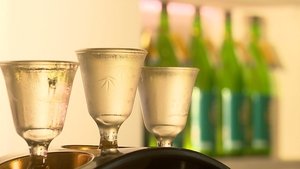
12. Kyoto Breweries: Aromatic Tipples to Suit the Times2021-09-16 · 28mSake brewing prospered for centuries on Kyoto's abundant water supply and quality rice. But demand has dropped recently with the increase of a variety of alcoholic beverages. Brewe
12
12. Kyoto Breweries: Aromatic Tipples to Suit the Times2021-09-16 · 28mSake brewing prospered for centuries on Kyoto's abundant water supply and quality rice. But demand has dropped recently with the increase of a variety of alcoholic beverages. Brewe
-
 13
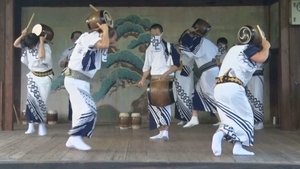
13. Taiko Drums: The Pulsing Heartbeat of Life2021-09-30 · 28mSince ancient times taiko have been instruments of communication with the deities. They provided inspiration as lively accompaniment to performing arts and continue to play a vital
13
13. Taiko Drums: The Pulsing Heartbeat of Life2021-09-30 · 28mSince ancient times taiko have been instruments of communication with the deities. They provided inspiration as lively accompaniment to performing arts and continue to play a vital
-
 14
14. Calligraphy for the Times: The Resonating Power of Ink2021-10-07 · 28mExpressing the infinite expanse through kanji characters brushed in shades of ink. Lying among the characters on the canvas, creating humanized works. Designing calligraphy to exud
14
14. Calligraphy for the Times: The Resonating Power of Ink2021-10-07 · 28mExpressing the infinite expanse through kanji characters brushed in shades of ink. Lying among the characters on the canvas, creating humanized works. Designing calligraphy to exud
-
 15
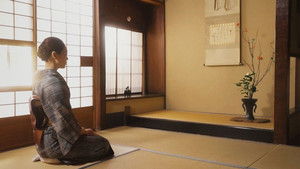
15. Tokonoma: Alcoves of Reverence and Welcoming Beauty2021-12-02 · 28mTokonoma are a unique feature of tatami rooms, originally found in affluent households. Through the centuries, they slowly became standard fixtures for all social classes, includin
15
15. Tokonoma: Alcoves of Reverence and Welcoming Beauty2021-12-02 · 28mTokonoma are a unique feature of tatami rooms, originally found in affluent households. Through the centuries, they slowly became standard fixtures for all social classes, includin
-
 16
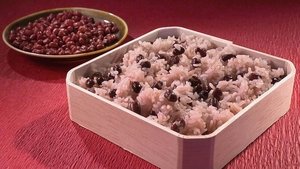
16. Beans: Versatile, Practical, and Cultural2021-12-16 · 28mBeans are a beloved food eaten every day in Kyoto, but they are also a sacred legume used in imperial rites. Soybeans arrived in Japan along with Buddhism in the 6th century and we
16
16. Beans: Versatile, Practical, and Cultural2021-12-16 · 28mBeans are a beloved food eaten every day in Kyoto, but they are also a sacred legume used in imperial rites. Soybeans arrived in Japan along with Buddhism in the 6th century and we
-
 17
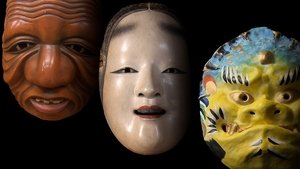
17. Dramatic Masks: Embodiments of Prayers to the Spirit World2021-12-30 · 28mKyoto abounds with customs and traditions involving dramatic masks, such as Noh, a UNESCO Intangible Cultural Heritage; Nenbutsu Kyogen, comedic theater performed by amateur actors
17
17. Dramatic Masks: Embodiments of Prayers to the Spirit World2021-12-30 · 28mKyoto abounds with customs and traditions involving dramatic masks, such as Noh, a UNESCO Intangible Cultural Heritage; Nenbutsu Kyogen, comedic theater performed by amateur actors