Moguls & Movie Stars: A History of Hollywood S01E07 · Fade Out, Fade In (1960-1969)
Watch now
Overview
In the 1960s America was in the midst of the most jarring political and social upheaval in decades. Without the old Hollywood structure, as studios were bought, sold and reconfigured, moviemakers searched for new ways to survive and prosper. The grand movie palaces were being replaced by multiplexes, and television was here to stay. In this shifting landscape, the power of the moguls was usurped by super-agent Lew Wasserman, whose aggressive business strategies turned MCA into a powerhouse that absorbed Universal Pictures in 1962. Old-style entertainments such as The Sound of Music (1965) and the James Bond adventures still prospered, but low-budget productions for a younger audience -- such as the works of Roger Corman -- gained importance. Movies would never again be quite the same.
Torrents
Searching torrents…
Subtitles
…
Episodes
-
 1
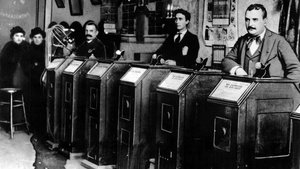
1. Peepshow Pioneers (1888-1907)2010-11-01 · 1h 0mAs America was transformed by the arrival of millions of immigrants in the 1890s, the first generation of American filmmakers joined with other innovators and entrepreneurs to crea
1
1. Peepshow Pioneers (1888-1907)2010-11-01 · 1h 0mAs America was transformed by the arrival of millions of immigrants in the 1890s, the first generation of American filmmakers joined with other innovators and entrepreneurs to crea
-
 2
2. The Birth of Hollywood (1907-1920)2010-11-08 · 1h 0mCalifornia was quickly recognized as the ideal setting for the American film industry, with its relative freedom from patent problems, constant sunshine and varied geography. As ea
2
2. The Birth of Hollywood (1907-1920)2010-11-08 · 1h 0mCalifornia was quickly recognized as the ideal setting for the American film industry, with its relative freedom from patent problems, constant sunshine and varied geography. As ea
-
 3
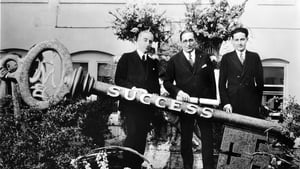
3. The Dream Merchants (1920-1928)2010-11-15 · 1h 0mThe Hollywood studio system flowered in the 1920s, headed by strong-willed leaders -- most of them immigrants and small-time entrepreneurs and many of them Jewish. Each studio had
3
3. The Dream Merchants (1920-1928)2010-11-15 · 1h 0mThe Hollywood studio system flowered in the 1920s, headed by strong-willed leaders -- most of them immigrants and small-time entrepreneurs and many of them Jewish. Each studio had
-
 4
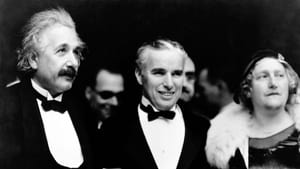
4. Brother, Can You Spare A Dream? (1929-1941)2010-11-22 · 1h 0mThe movies broke their silence in 1927, as Warner Bros. introduced the first major synchronized sound film, The Jazz Singer. Stage-trained actors were suddenly in demand, and among
4
4. Brother, Can You Spare A Dream? (1929-1941)2010-11-22 · 1h 0mThe movies broke their silence in 1927, as Warner Bros. introduced the first major synchronized sound film, The Jazz Singer. Stage-trained actors were suddenly in demand, and among
-
 5
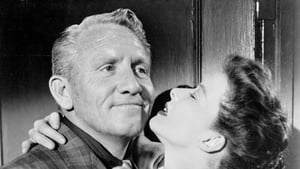
5. Warriors and Peacemakers (1941-1950)2010-11-29 · 1h 0mWhen the U.S. entered World War II, movies became a powerful means of promoting patriotism, not only through overt propaganda but through films that rallied support while also ente
5
5. Warriors and Peacemakers (1941-1950)2010-11-29 · 1h 0mWhen the U.S. entered World War II, movies became a powerful means of promoting patriotism, not only through overt propaganda but through films that rallied support while also ente
-
 6
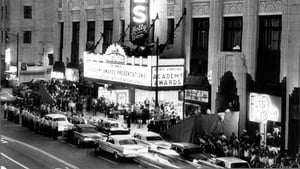
6. Attack of the Small Screens (1950-1960)2010-12-06 · 1h 0mDuring the 1950s, with the nation enjoying a new prosperity and television providing fierce competition, the reign of the old moguls began a long decline. The movies needed new ide
6
6. Attack of the Small Screens (1950-1960)2010-12-06 · 1h 0mDuring the 1950s, with the nation enjoying a new prosperity and television providing fierce competition, the reign of the old moguls began a long decline. The movies needed new ide
-
 7
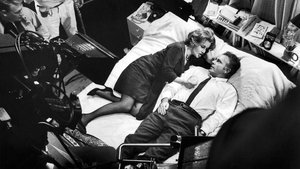
7. Fade Out, Fade In (1960-1969)2010-12-13 · 1h 0mIn the 1960s America was in the midst of the most jarring political and social upheaval in decades. Without the old Hollywood structure, as studios were bought, sold and reconfigur
7
7. Fade Out, Fade In (1960-1969)2010-12-13 · 1h 0mIn the 1960s America was in the midst of the most jarring political and social upheaval in decades. Without the old Hollywood structure, as studios were bought, sold and reconfigur