Pioneers of Television S01E03 · Variety
Watch now
Overview
This episode begins with Ed Sullivan's Toast of the Town and Milton Berle's Texaco Star Theater, and progresses through The Carol Burnett Show, Smothers Brothers and Laugh-in, among others. Tim Conway and Jonathan Winters tell hilarious stories about their variety show years, and Tommy Smothers reveals new details about the behind-the-scenes story of his own landmark show. Pat Boone offers a compelling first-hand account of the racist policies that made it difficult for him to book African American guests. In the same vein, Tony Orlando reveals the back-story behind his role as the first Hispanic host of a variety series. Additionally, this episode includes fresh bites from earlier interviews with Milton Berle, Red Skelton and Sid Caesar—and there's no shortage of great clips. Standouts include Andy Williams singing "Moon River" and Flip Wilson's Geraldine. As Arsenio Hall says, "You could not dislike Flip Wilson. There was a warmth about him. And he was brilliant the way he created characters; and the characters had lives of their own. We knew about Geraldine's boyfriend and how jealous he was—and those things brought that character to life."
Torrents
Searching torrents…
Subtitles
…
Episodes
-
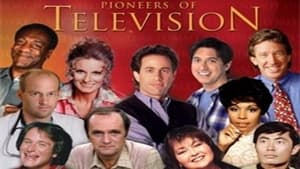 1
1. Sitcoms2008-01-02 · 1h 0mThis episode focuses on the five key sitcoms that shaped the genre: I Love Lucy, The Honeymooners, Make Room for Daddy, The Andy Griffith Show and The Dick Van Dyke Show. The last
1
1. Sitcoms2008-01-02 · 1h 0mThis episode focuses on the five key sitcoms that shaped the genre: I Love Lucy, The Honeymooners, Make Room for Daddy, The Andy Griffith Show and The Dick Van Dyke Show. The last
-
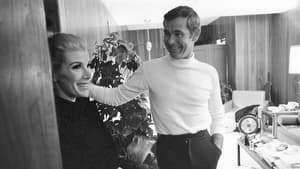 2
2. Late Night2008-01-09 · 1h 0mThe distinct contributions and unique personalities of Steve Allen, Jack Paar and Johnny Carson headline this episode. "Johnny always wanted you to do well," Jay Leno recalls, "you
2
2. Late Night2008-01-09 · 1h 0mThe distinct contributions and unique personalities of Steve Allen, Jack Paar and Johnny Carson headline this episode. "Johnny always wanted you to do well," Jay Leno recalls, "you
-
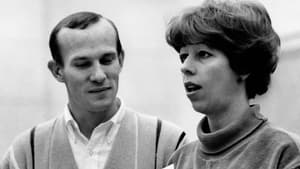 3
3. Variety2008-01-16 · 1h 0mThis episode begins with Ed Sullivan's Toast of the Town and Milton Berle's Texaco Star Theater, and progresses through The Carol Burnett Show, Smothers Brothers and Laugh-in, amon
3
3. Variety2008-01-16 · 1h 0mThis episode begins with Ed Sullivan's Toast of the Town and Milton Berle's Texaco Star Theater, and progresses through The Carol Burnett Show, Smothers Brothers and Laugh-in, amon
-
4
4. Game Shows2008-01-23 · 1h 0mThis episode traces one of broadcasting's strongest genres, from its nascent beginnings in radio through its heyday in the late 60s. Bob Barker talks about his earliest work, and M