Trails to Oishii Tokyo S02E10 · KAMABOKO
Watch now
Overview
Kamaboko is a traditional type of fish cake made from pureed white fish that can be steamed, grilled or deep-fried. It's available in a variety of shapes, like red-and-white half circles and donut-like cylinders. One form, an alternative to crab meat called "surimi," is especially popular abroad. Packed with protein, it works well in practically any type of cooking. We visit the famous production area of Odawara and learn about the artistry that goes into its distinctive springy texture.
Torrents
Searching torrents…
Subtitles
…
Episodes
-
 1
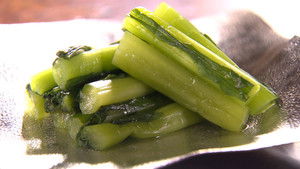
1. NOZAWANA2020-01-08 · 28mOur focus today is Nozawana, a leaf vegetable indigenous to Japan. This one-meter-long vegetable is often pickled, as it spoils quickly. Nozawana was first grown in Japan in a vill
1
1. NOZAWANA2020-01-08 · 28mOur focus today is Nozawana, a leaf vegetable indigenous to Japan. This one-meter-long vegetable is often pickled, as it spoils quickly. Nozawana was first grown in Japan in a vill
-
 2
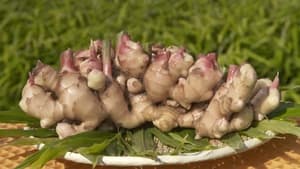
2. GINGER2020-01-22 · 28mToday we focus on ginger. Often grated, finely chopped or even pickled, ginger is an indispensable ingredient in Japanese cuisine. The pink "gari" eaten with sushi is actually pick
2
2. GINGER2020-01-22 · 28mToday we focus on ginger. Often grated, finely chopped or even pickled, ginger is an indispensable ingredient in Japanese cuisine. The pink "gari" eaten with sushi is actually pick
-
 3
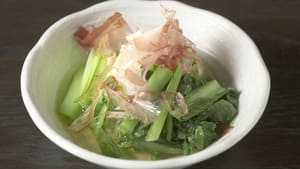
3. KOMATSUNA2020-02-12 · 28mKomatsuna is a spinach-like leaf vegetable from Tokyo that's been grown in the ward of Edogawa, facing Tokyo Bay, for hundreds of years. Even today, Komatsuna is grown in residenti
3
3. KOMATSUNA2020-02-12 · 28mKomatsuna is a spinach-like leaf vegetable from Tokyo that's been grown in the ward of Edogawa, facing Tokyo Bay, for hundreds of years. Even today, Komatsuna is grown in residenti
-
 4
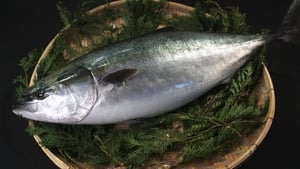
4. BURI2020-02-26 · 28mToday we focus on yellowtail, known as Buri in Japanese. Favored in winter when it contains a higher fat content, the fish provides rich umami when grilled, simmered or eaten raw a
4
4. BURI2020-02-26 · 28mToday we focus on yellowtail, known as Buri in Japanese. Favored in winter when it contains a higher fat content, the fish provides rich umami when grilled, simmered or eaten raw a
-
 5
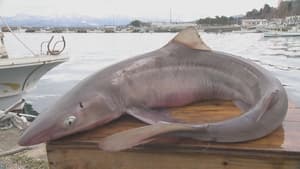
5. SHARK2020-03-11 · 28mShark meat has been eaten in Japan since ages past. It's often used in old-school Japanese soul foods such as Oden. We visit Aomori Prefecture, where shark is still eaten regularly
5
5. SHARK2020-03-11 · 28mShark meat has been eaten in Japan since ages past. It's often used in old-school Japanese soul foods such as Oden. We visit Aomori Prefecture, where shark is still eaten regularly
-
 6
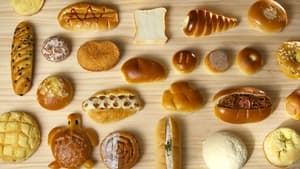
6. BREAD2020-04-08 · 28mThis episode focuses on bread, or "pan" in Japanese. The sheer variety of baked goods in Japan is astounding. Rolls and pastries filled or covered with teriyaki chicken, vegetables
6
6. BREAD2020-04-08 · 28mThis episode focuses on bread, or "pan" in Japanese. The sheer variety of baked goods in Japan is astounding. Rolls and pastries filled or covered with teriyaki chicken, vegetables
-
 7
7. MARLIN2020-04-22 · 28mOur focus today is marlin. These large fish known for their long, sharp bills were once a source of inspiration for the great Ernest Hemingway. Marlin meat is high in fat content a
7
7. MARLIN2020-04-22 · 28mOur focus today is marlin. These large fish known for their long, sharp bills were once a source of inspiration for the great Ernest Hemingway. Marlin meat is high in fat content a
-
 8
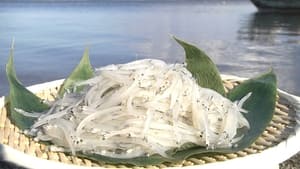
8. SHIRAUO2020-05-07 · 28mOur focus today is Shirauo, often called noodlefish in English. These beautiful fish have tiny, transparent bodies that grow up to only 10 centimeters long. They are both precious
8
8. SHIRAUO2020-05-07 · 28mOur focus today is Shirauo, often called noodlefish in English. These beautiful fish have tiny, transparent bodies that grow up to only 10 centimeters long. They are both precious
-
 9
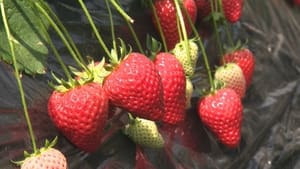
9. STRAWBERRIES2020-05-14 · 28mJapanese strawberries are known for their large size and sweet flavor, and are mainly eaten fresh. We visit Tochigi Prefecture, Japan's largest production site, home to a farm popu
9
9. STRAWBERRIES2020-05-14 · 28mJapanese strawberries are known for their large size and sweet flavor, and are mainly eaten fresh. We visit Tochigi Prefecture, Japan's largest production site, home to a farm popu
-
 10
10. KAMABOKO2020-09-03 · 28mKamaboko is a traditional type of fish cake made from pureed white fish that can be steamed, grilled or deep-fried. It's available in a variety of shapes, like red-and-white half c
10
10. KAMABOKO2020-09-03 · 28mKamaboko is a traditional type of fish cake made from pureed white fish that can be steamed, grilled or deep-fried. It's available in a variety of shapes, like red-and-white half c
-
 11
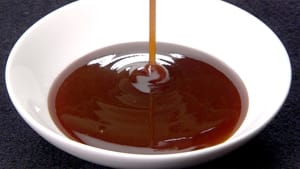
11. SAUCE2020-09-23 · 28m"Sauce." In Japan, this word refers to a rich, dark, bottled sauce sold in a number of varieties. Used on deep-fried foods like pork cutlets and Japanese croquettes, plus savory ok
11
11. SAUCE2020-09-23 · 28m"Sauce." In Japan, this word refers to a rich, dark, bottled sauce sold in a number of varieties. Used on deep-fried foods like pork cutlets and Japanese croquettes, plus savory ok
-
 12
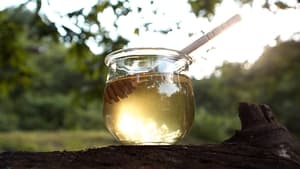
12. HONEY2020-10-08 · 28mHoney—the world's oldest sweetener. Japan being home to both the Western honey bee and the native honey bee makes for numerous honey varieties. Concerned about the decline in globa
12
12. HONEY2020-10-08 · 28mHoney—the world's oldest sweetener. Japan being home to both the Western honey bee and the native honey bee makes for numerous honey varieties. Concerned about the decline in globa
-
 13
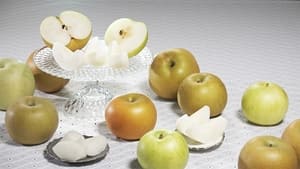
13. PEAR2020-10-15 · 28mJapanese pears are large, round, juicy and have a great crunch. Chiba Prefecture, which neighbors Tokyo, is known as Japan's largest pear producer. Every autumn, its so-called "Pea
13
13. PEAR2020-10-15 · 28mJapanese pears are large, round, juicy and have a great crunch. Chiba Prefecture, which neighbors Tokyo, is known as Japan's largest pear producer. Every autumn, its so-called "Pea
-
 14
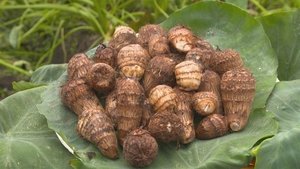
14. SATO-IMO2020-11-05 · 28mSato-imo, eaten in Japan for some 3,000 years, is a type of taro, a root vegetable that grows in the tropics of Asia. Coming into season in autumn, Sato-imo have been used in sacre
14
14. SATO-IMO2020-11-05 · 28mSato-imo, eaten in Japan for some 3,000 years, is a type of taro, a root vegetable that grows in the tropics of Asia. Coming into season in autumn, Sato-imo have been used in sacre
-
 15
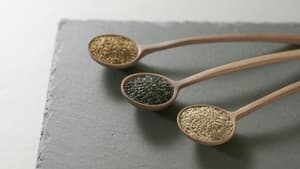
15. SESAME2020-11-12 · 28mOur focus this time is sesame. It's an indispensable part of Japanese cuisine, making the country a leading consumer. Whether used as-is, roasted, ground, or processed into oil, th
15
15. SESAME2020-11-12 · 28mOur focus this time is sesame. It's an indispensable part of Japanese cuisine, making the country a leading consumer. Whether used as-is, roasted, ground, or processed into oil, th
-
 16
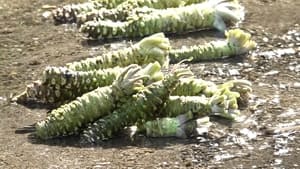
16. WASABI2020-12-03 · 28mOur focus this time is wasabi, the fiery root that is a pillar of Japanese foods like sushi and sashimi. Visit a traditional wasabi field in Shizuoka Prefecture recognized as one o
16
16. WASABI2020-12-03 · 28mOur focus this time is wasabi, the fiery root that is a pillar of Japanese foods like sushi and sashimi. Visit a traditional wasabi field in Shizuoka Prefecture recognized as one o
-
 17
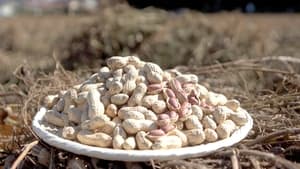
17. PEANUTS2020-12-10 · 28mIn Japan, peanuts are often eaten as-is, without flavoring or processing. That's because consumers want to taste the peanuts' own sweet, aromatic flavor. This time, we visit Japan'
17
17. PEANUTS2020-12-10 · 28mIn Japan, peanuts are often eaten as-is, without flavoring or processing. That's because consumers want to taste the peanuts' own sweet, aromatic flavor. This time, we visit Japan'
-
 18
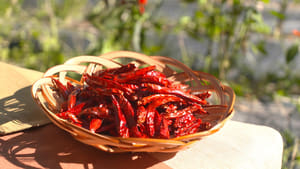
18. TOGARASHI PEPPER2020-12-17 · 28mSome 200 varieties of Togarashi peppers are cultivated in Japan, most of which are dried and used as spices. We visited the largest production site to lend a hand in the fiery red
18
18. TOGARASHI PEPPER2020-12-17 · 28mSome 200 varieties of Togarashi peppers are cultivated in Japan, most of which are dried and used as spices. We visited the largest production site to lend a hand in the fiery red
-
 19
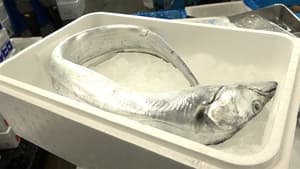
19. CUTLASSFISH2020-12-31 · 28mOur focus today is cutlassfish. This shiny samurai sword of the sea has no scales and swims vertically. Our reporter visits the fishing port that receives the largest haul, where 1
19
19. CUTLASSFISH2020-12-31 · 28mOur focus today is cutlassfish. This shiny samurai sword of the sea has no scales and swims vertically. Our reporter visits the fishing port that receives the largest haul, where 1